
Best Practices for Micro-component Design
With the rise of minimally invasive systems, surgical robotics, and next-generation diagnostic and therapeutic tools, demands on precision components are greater than ever. Tighter tolerances, more complex geometries, and multifunctional assemblies are reshaping the way components are conceived, engineered, and brought to market.
Precision components have become the critical enablers of innovation across high-growth domains, such as cardiology, oncology, endoscopy, and neurovascular interventions. The demand for smaller, smarter, and higher-performing components continues to grow, fueling the evolution of precision micro components from passive elements within a system to foundational drivers of device functionality, reliability, and clinical success.
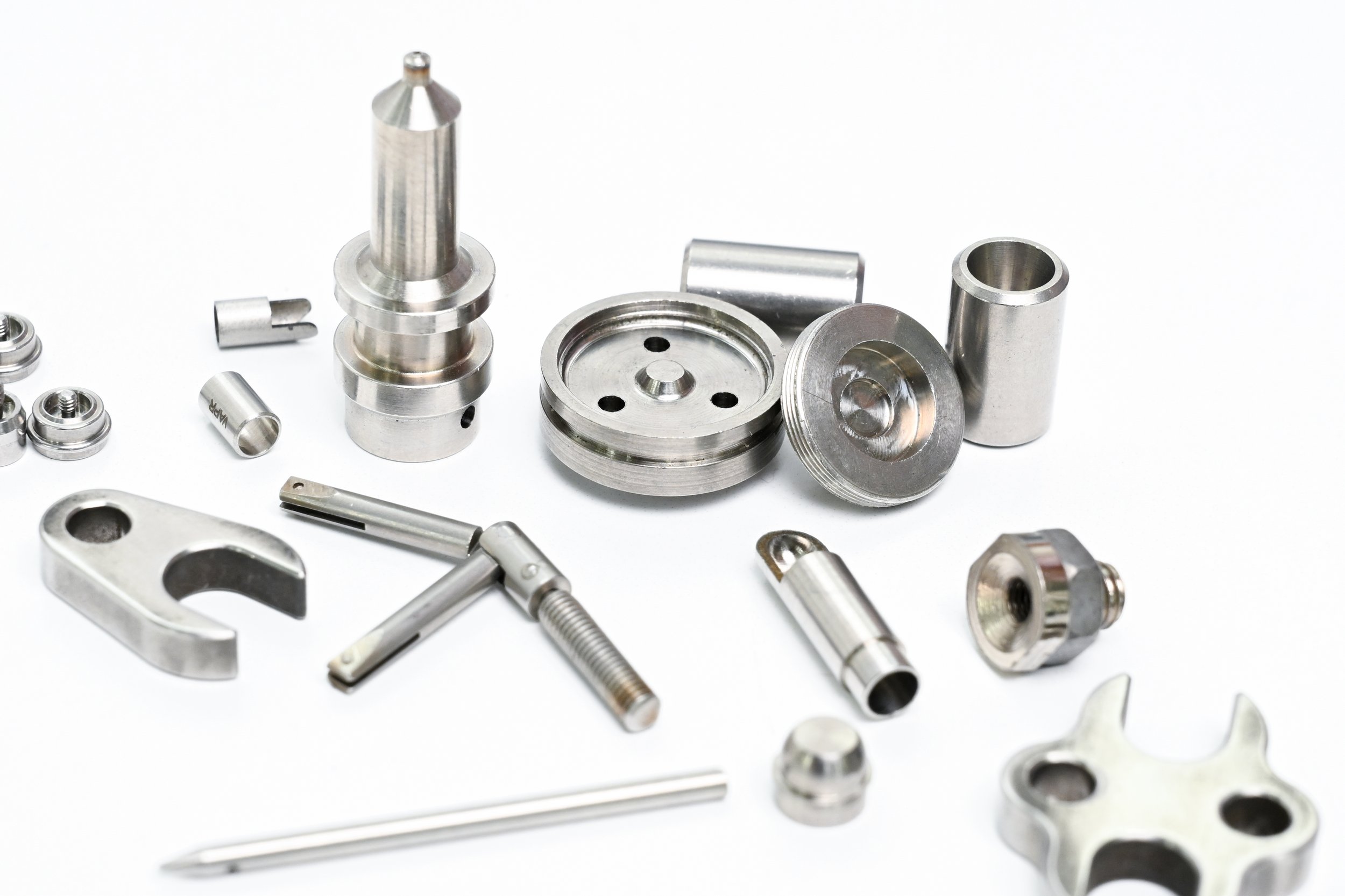
As device architectures shrink and performance expectations rise, engineering constraints intensify. This shift introduces several critical challenges, including:
Miniaturization and tight tolerances
Complex, multi-step manufacturing
Late-stage Design for Manufacturing disconnect
Design Trade-offs
Every design decision in precision medical components involves trade-offs. Successful component design requires a deliberate balance between performance, manufacturability, and economic viability. Ultimately, value is derived not only from the precision of the component itself, but from the engineering approach used to design, develop, and manufacture it. Sustainable success in MedTech innovation depends on aligning design intent with validated manufacturing capability.
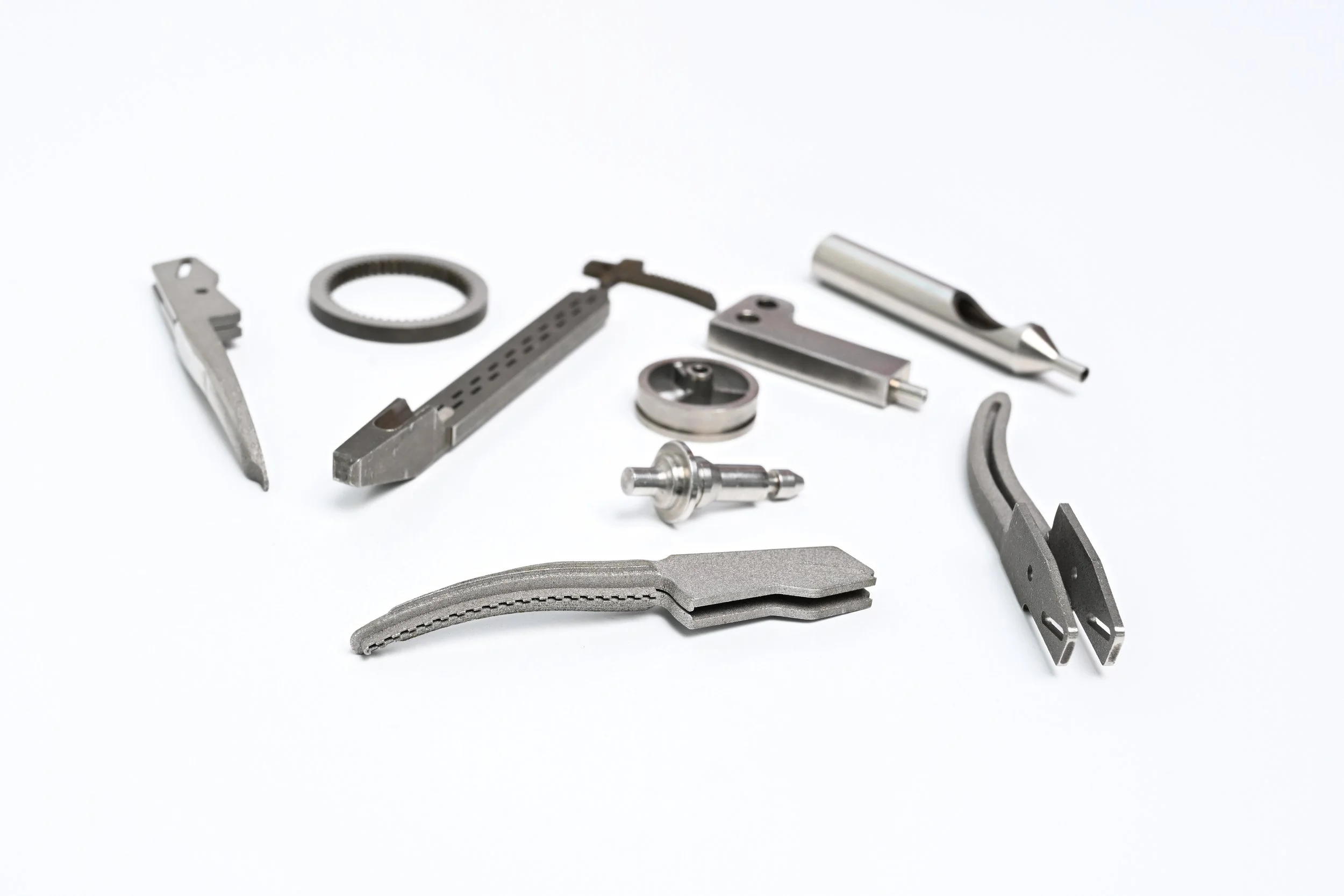
To avoid costly delays and downstream production issues, engineers must align design choices with manufacturing realities from the outset. To help, keep these key design principles for manufacturability in mind:
1. DESIGN WITH PROCESS CAPABILITIES IN MIND
Tolerances, feature geometries, and material specifications should be defined in direct alignment with validated process capabilities. Innovation with manufacturability discipline enables stable yields, streamlined validations, and accelerated time to market.
2. MINIMIZE OVER-ENGINEERING
Design complexity should be intentional and performance-driven. Features that exceed functional requirements can introduce avoidable cost, extended iteration cycles, and reduced scalability.
3. ACCOUNT FOR MATERIAL BEHAVIOR
Metals, polymers, and composites all respond differently to cutting, bonding, and forming–especially at the micro scale. Effective component design requires an integrated understanding of electrical, thermal, and mechanical properties within validated process parameters.
4. PRIORITIZE STACK-UP CONTROL
In multi-process builds, cumulative variation across manufacturing steps can significantly affect final assembly performance. Early-stage tolerance budgeting and stack-up modeling are critical to preserving concentricity, alignment, and mechanical functionality.
5. SIMPLIFY FIXTURING AND HANDLING
Component designs should account for how parts will be securely held, transferred, and oriented throughout manufacturing. Early alignment between design and fixturing strategy enhances dimensional control, production efficiency, and overall yield stability.
6. DESIGN FOR INSPECTION AND VALIDATION
Component architectures should intentionally accommodate metrology access and functional verification requirements. At the micro scale, complex geometries and limited physical access can restrict measurement capability and increase validation risk. Establishing clear datum strategies, ensuring access to critical features, and defining measurable critical-to-quality (CTQ) characteristics enable robust verification, efficient validation, and sustained production control.
Successful innovation depends on aligning design intent with validated process capability from the outset. Organizations that integrate manufacturability early—supported by disciplined tolerance management and rapid iteration—reduce risk, accelerate development, and enable scalable production.
