
Six Steps to CDMO Success
As medical devices become smaller, more complex and subject to increasing regulatory scrutiny, choosing the right contract development and manufacturing organization (CDMO)has become a strategic decision. A manufacturing partner should do far more than produce parts—they should identify risks early, optimize manufacturability and help accelerate commercialization without compromising quality.
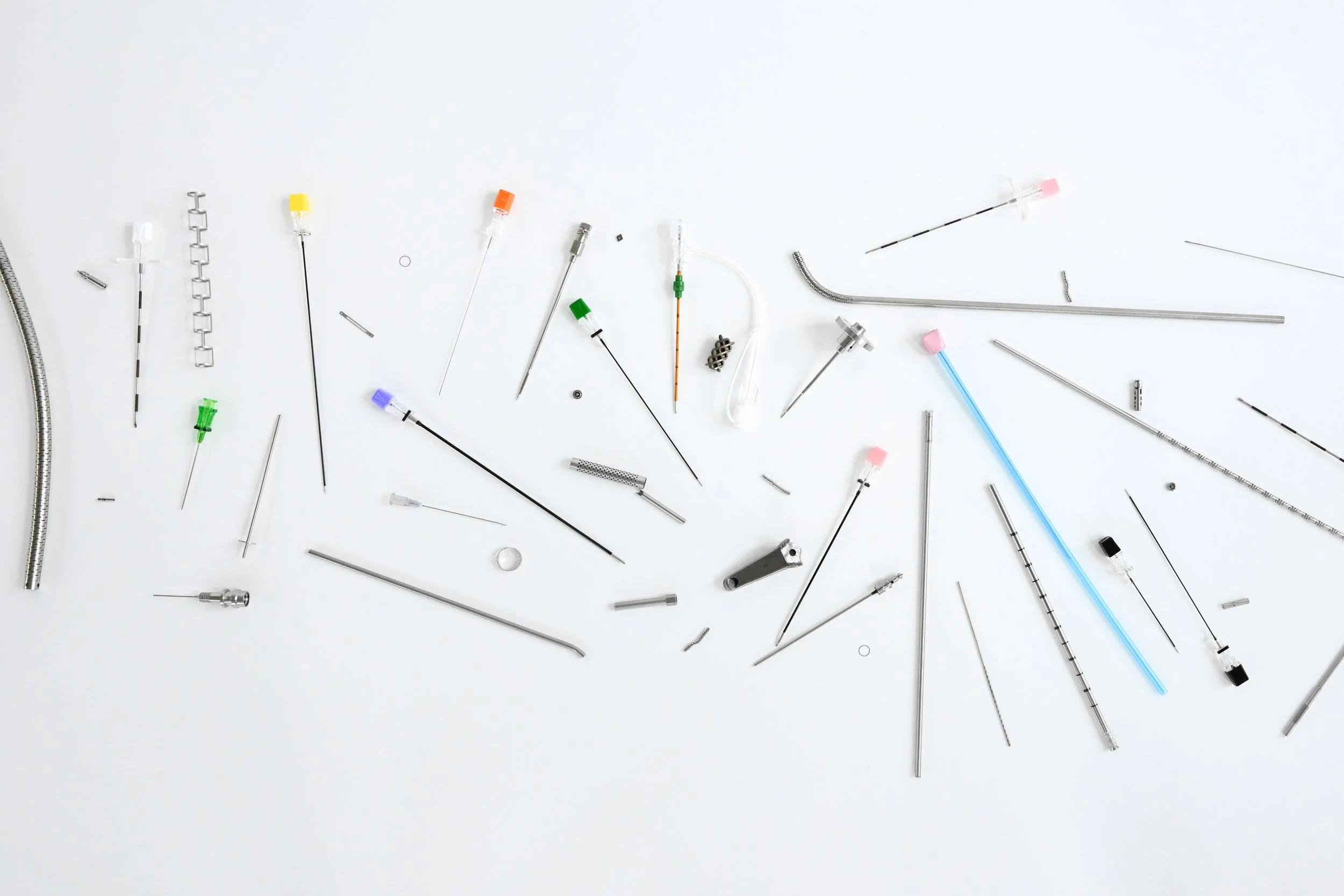
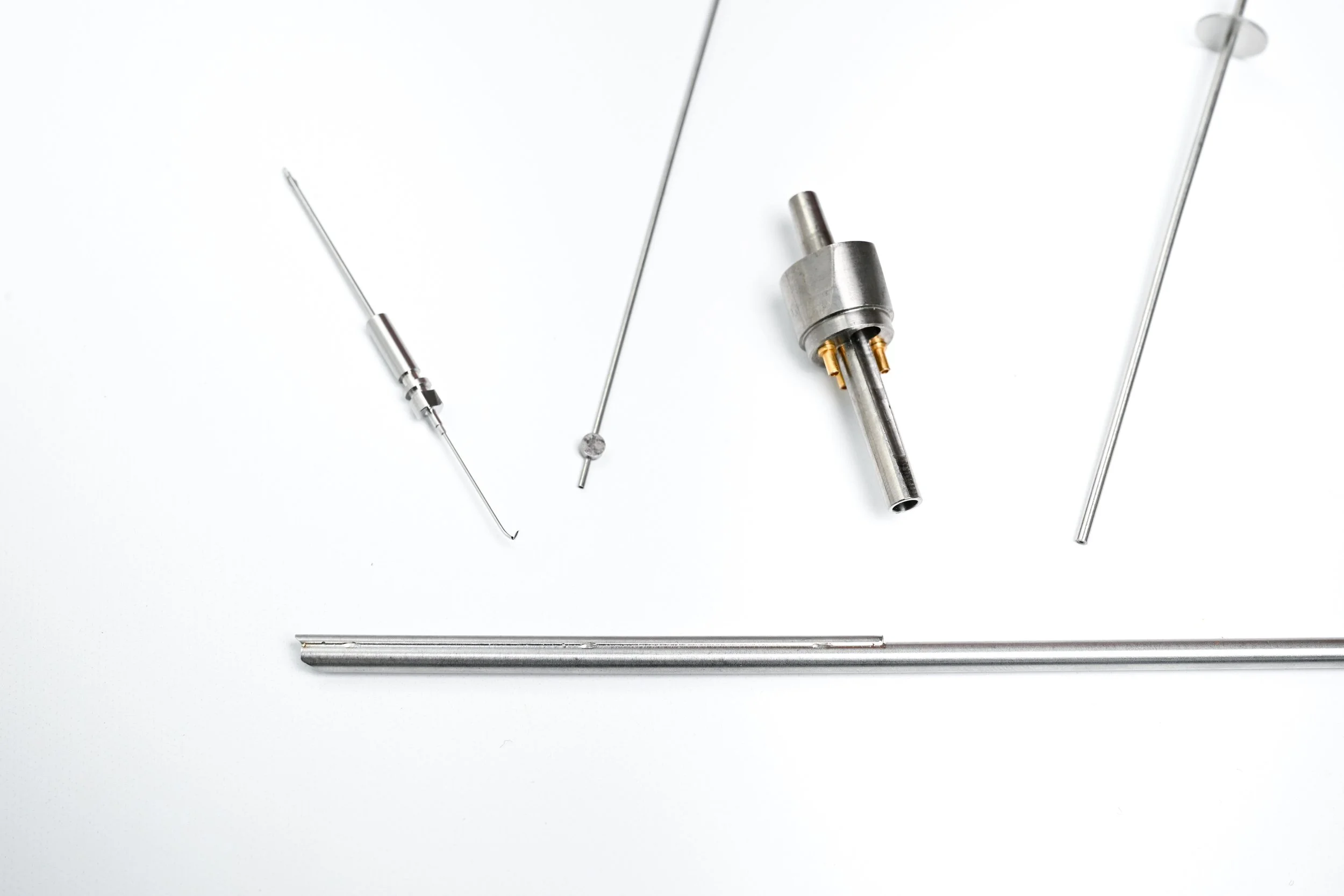
Manufacturing precision medical components and procedural needles requires an exacting level of expertise and commitment. Medical device suppliers need development and engineering experts who can apply extensive manufacturing capabilities as their CDMO partners to help deliver precision solutions and next-generation medical devices.
But what does that approach look like? At Elevaris Medical Devices, we believe that there are six critical steps to ensuring success.
OUR APPROACH:
FEASIBILITY ASSESSMENT - Determine if the team has the capability to manufacture the part(s).
Before a project begins, an experienced CDMO evaluates not only whether a component can be manufactured, but whether it can be manufactured consistently at commercial scale. This early assessment identifies technical risks, required equipment, material considerations and tolerance challenges before significant time and money are invested.
ENGINEERING REVIEW - Confirm how we will manufacture the part to the customer’s specifications.
Once feasibility has been established, the engineering review focuses on determining the optimal manufacturing approach. Engineers evaluate materials, tolerances, geometries, tooling requirements and manufacturing processes to ensure the component can be produced efficiently while meeting all customer specifications. This stage also incorporates Design for Manufacturability (DFM) principles, identifying opportunities to improve production efficiency, reduce variability, and minimize unnecessary costs without compromising device performance.
COMMERCIAL REVIEW - Ensure we meet the customer’s budget, timing, and capacity requirements.
A successful project requires more than technical capability—it must also align with business objectives. During the commercial review, the team evaluates production timelines, capacity, supply chain considerations and overall project costs to ensure customer expectations can be met. By addressing commercial requirements early, manufacturers can avoid scheduling conflicts, unexpected expenses and capacity limitations that could delay product development or commercialization.
“It’s one thing for a customer to understand that we can provide made-to-spec product, but it’s a next-level conversation and experience that helps them fully understand how we can meet their supplier requirements ‘to a T’ at every step along the way to ensure that they can support delivery of quality patient care with confidence. We understand and appreciate the rigor our customers have around their production and delivery processes, and we pride ourselves on providing unparalleled support to their brands.”
— Jason Pedaci, Vice President, Global Sales and Marketing
SAMPLE REVIEW - Analyze manufactured parts against customer specifications and performance criteria.
Prototype and sample components provide an important opportunity to verify that design intent translates into manufacturing reality. During the sample review, manufactured parts undergo dimensional inspections, functional evaluations and performance testing to confirm they meet customer specifications and intended application requirements. Any necessary refinements can be identified and addressed before moving into formal validation, reducing the likelihood of potentially costly changes later in the process.
VALIDATION - Confirm manufacturing process consistently produces outputs that meet the intended use and clinical performance requirements.
Validation confirms that a manufacturing process consistently produces components that meet predefined quality, regulatory and performance requirements. Through rigorous qualification activities and documented testing, manufacturers demonstrate that processes are repeatable, controlled and capable of producing reliable products over time. This phase provides confidence that production will consistently support the intended clinical application and patient outcomes.
PRODUCTION - Ensure we have the capacity and capital to produce at commercial production volumes and scale.
Upon validation, focus shifts to delivering consistent, high-quality products at commercial scale. Production planning ensures the appropriate equipment, personnel, quality systems and manufacturing capacity are in place to meet customer demand while maintaining strict process controls. An experienced CDMO continues to monitor performance, drive continuous improvement and invest in capabilities that support long-term production needs, helping customers confidently bring innovative medical devices to market and scale as demand grows.
Why are all these steps necessary? Because we believe that omitting any one of them can lead to late-stage DFM changes, costly adjustments and commercial launch delays.
As with any relationship, we know that supplier relationships have to be built on trust. At Elevaris Medical Devices, we leverage a proven legacy of knowledge, collaboration, trust, and solutions orientation to help customers get to market on budget and on time. We’re deliberate about it in Step One so everyone is confident at Step Six.
The thoroughness of our approach allows us to work with marquee partners from concept to production to ensure that our customers and their customers are prepared to deliver quality patient care and comfort. Together, we are leading with expertise to enable innovation and improve the future of healthcare.
Ready to talk? Email us at CONNECT@ELEVARISMEDICAL.COM.