
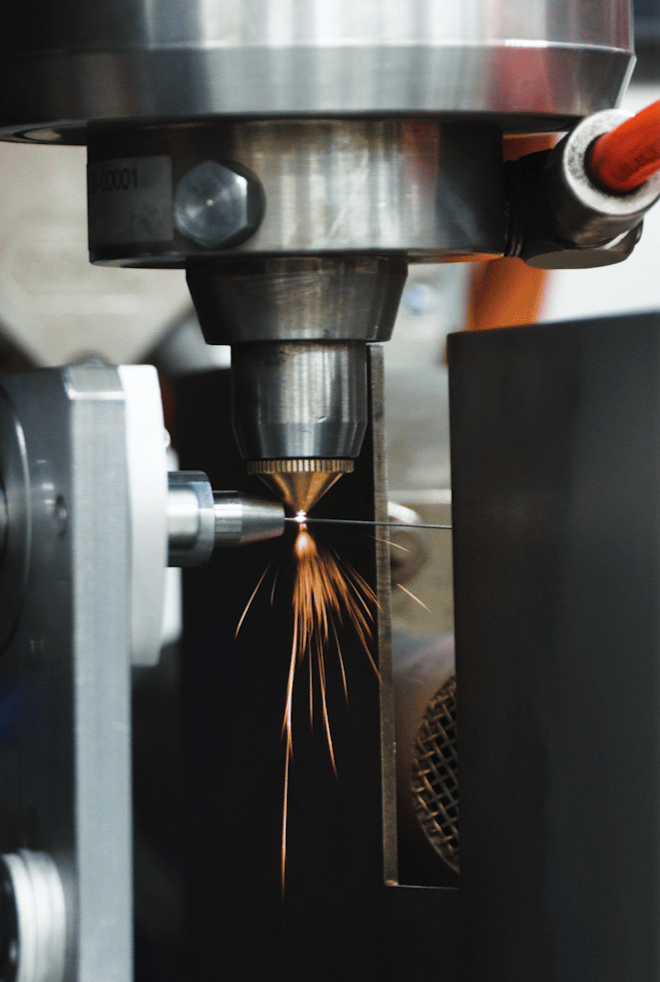
Laser Technology for Medical Components
Precision Laser Processing for Medical Device Components
Elevaris Medical Devices uses advanced laser technology to produce complex medical components with precise features, repeatable results, and efficient production capabilities.
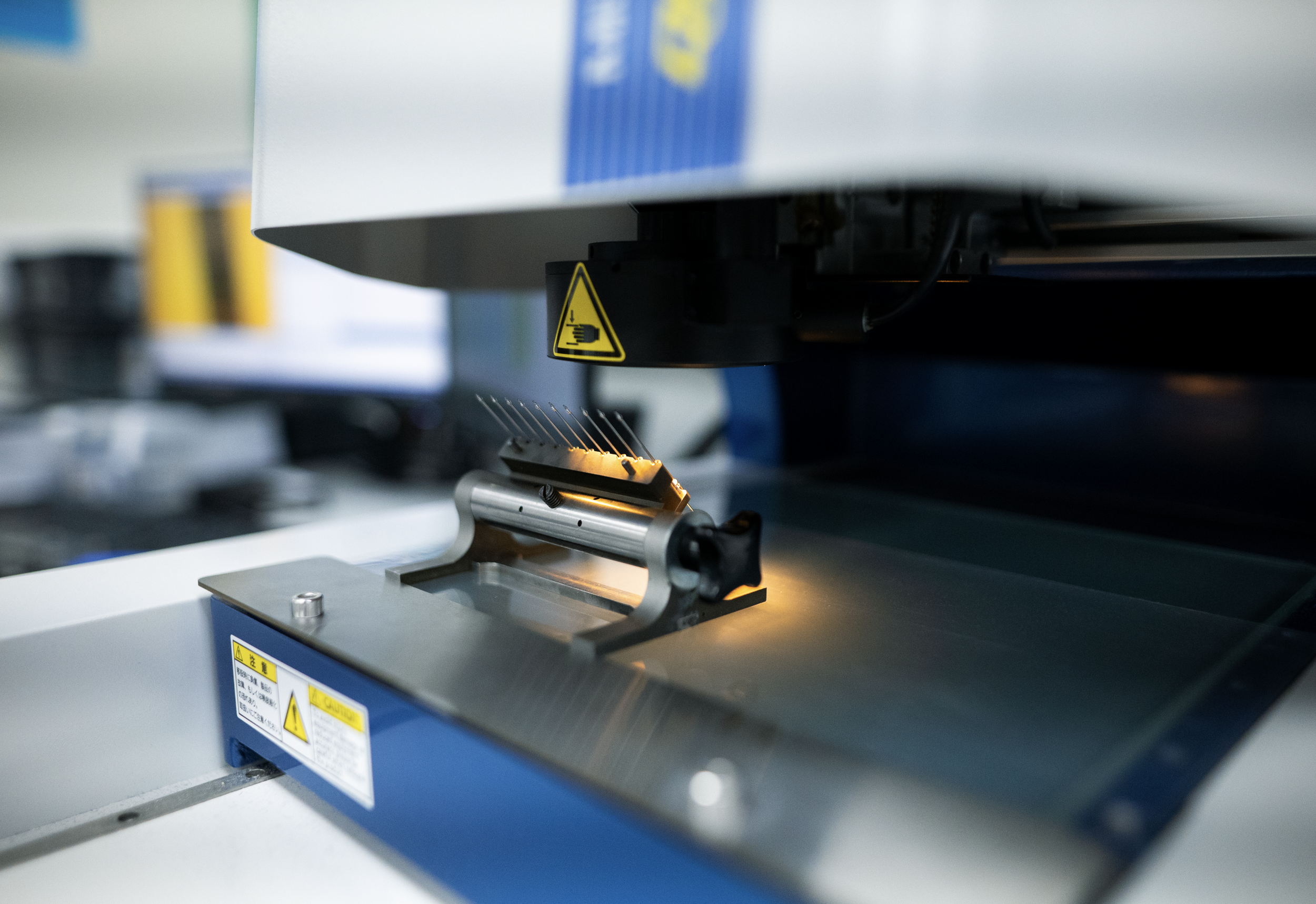
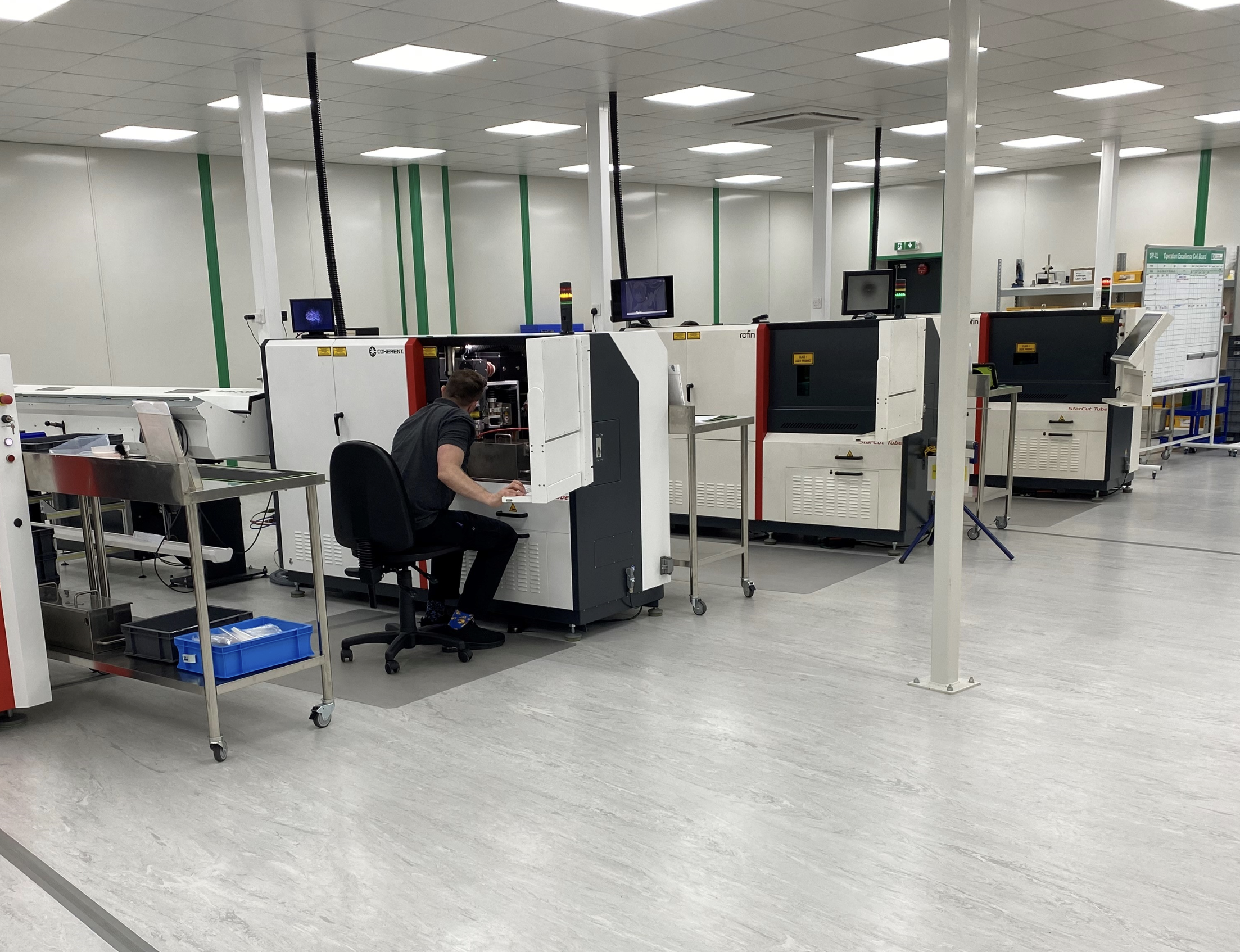
Our temperature-controlled Laser Technology Center includes high volume production equipment and purpose-built systems for laser cutting, micro laser cutting, micro laser welding, laser marking, and laser ablation.
Elevaris can laser cut features in tube sizes from 0.2 mm to 20 mm. A minimum kerf width of 0.012 mm allows our team to support detailed component designs and small features.
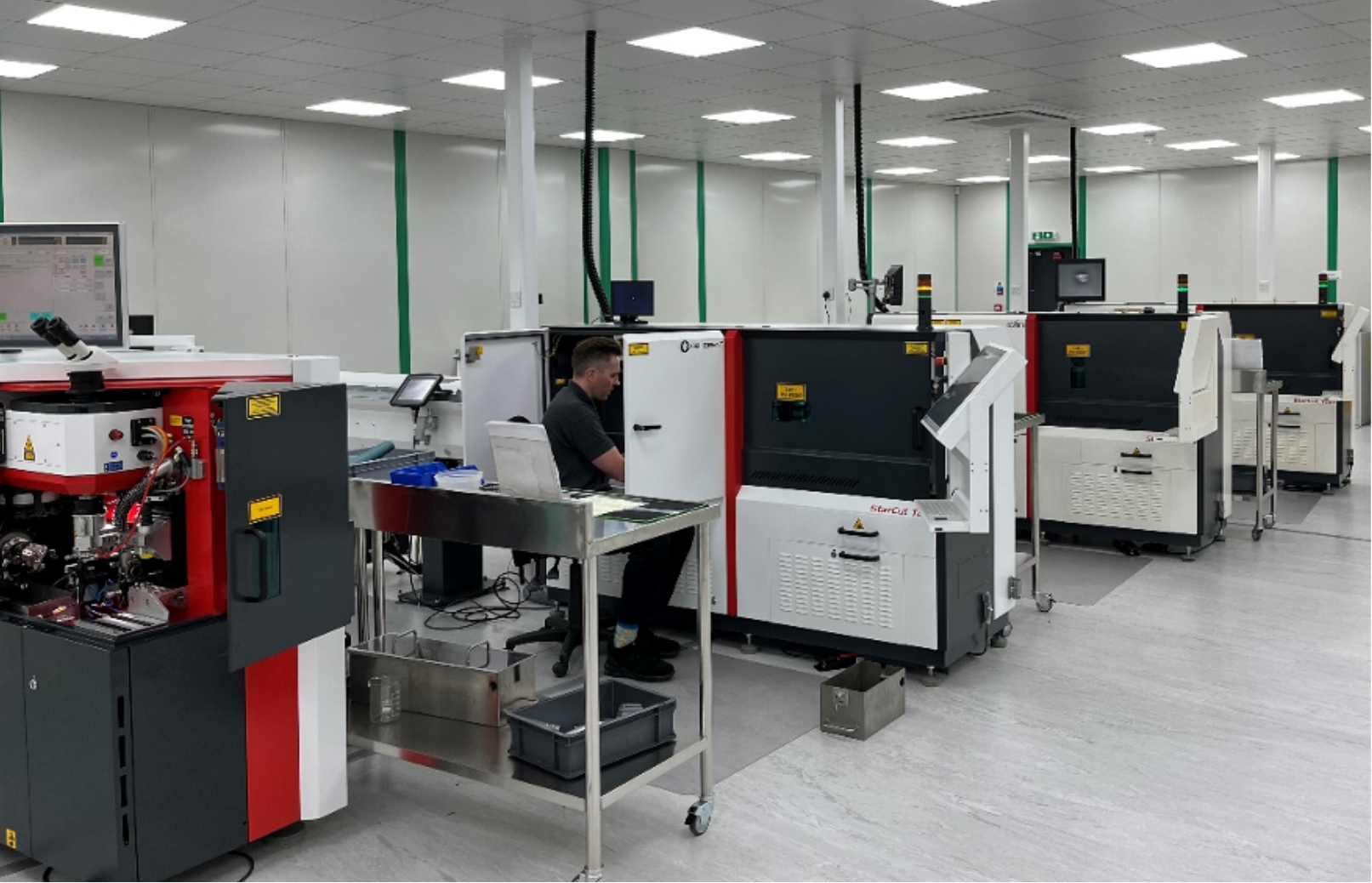
Laser Technology in Medical Device Manufacturing
Laser processing uses a focused energy source to cut, join, mark, or remove material from a component.
The process provides controlled material interaction without the physical cutting pressure associated with conventional tooling. This makes laser technology well-suited to detailed medical components, thin materials, small features, complex tube patterns, and assemblies that require localized processing.
Elevaris uses laser processes during product development, component manufacturing, assembly preparation, and production. The technology can also be combined with micro machining, precision grinding, forming, finishing, and cleanroom assembly as part of a broader manufacturing program.

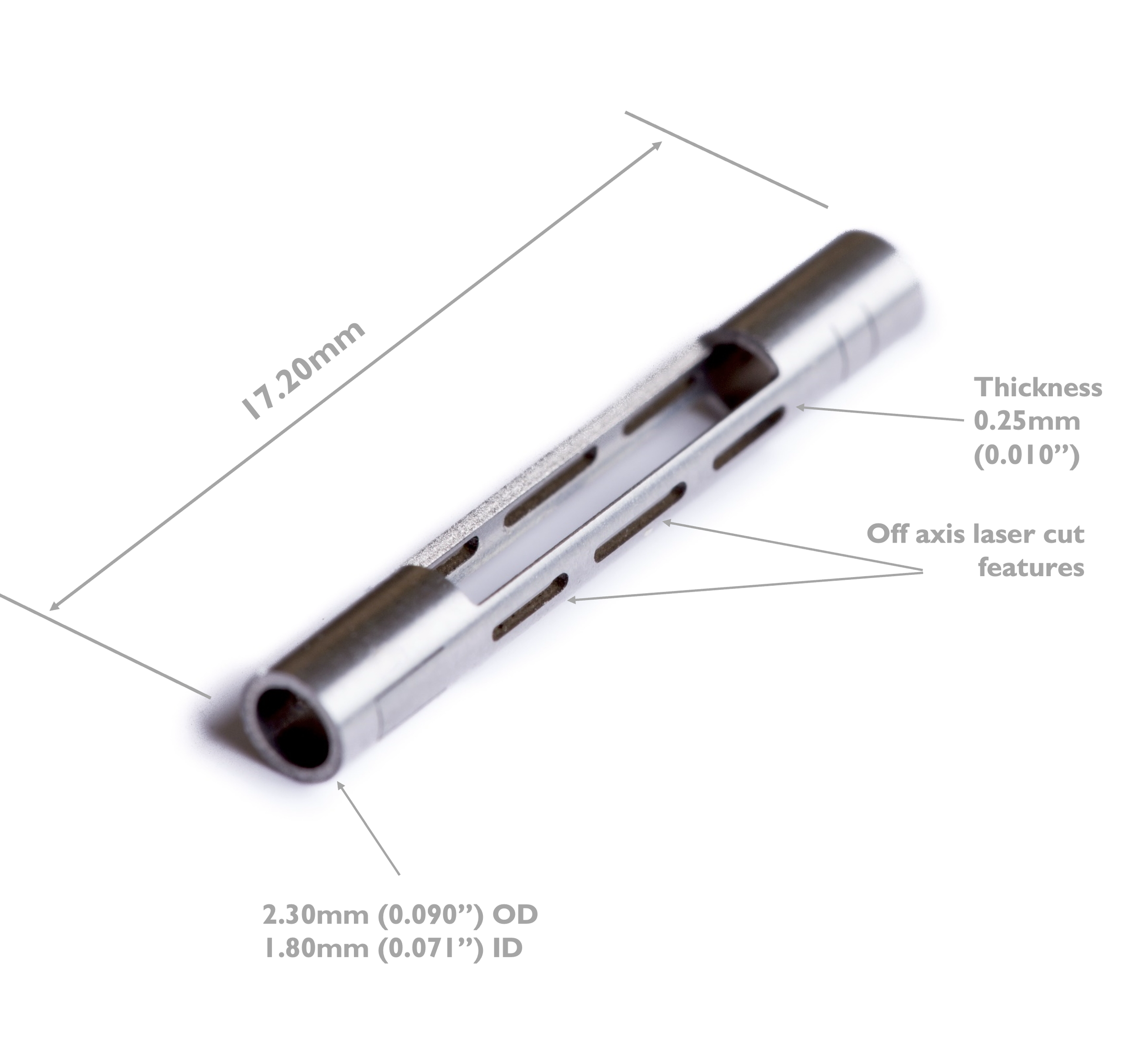
Medical Device Laser Cutting
Laser cutting uses a focused laser beam to remove material along a programmed path.
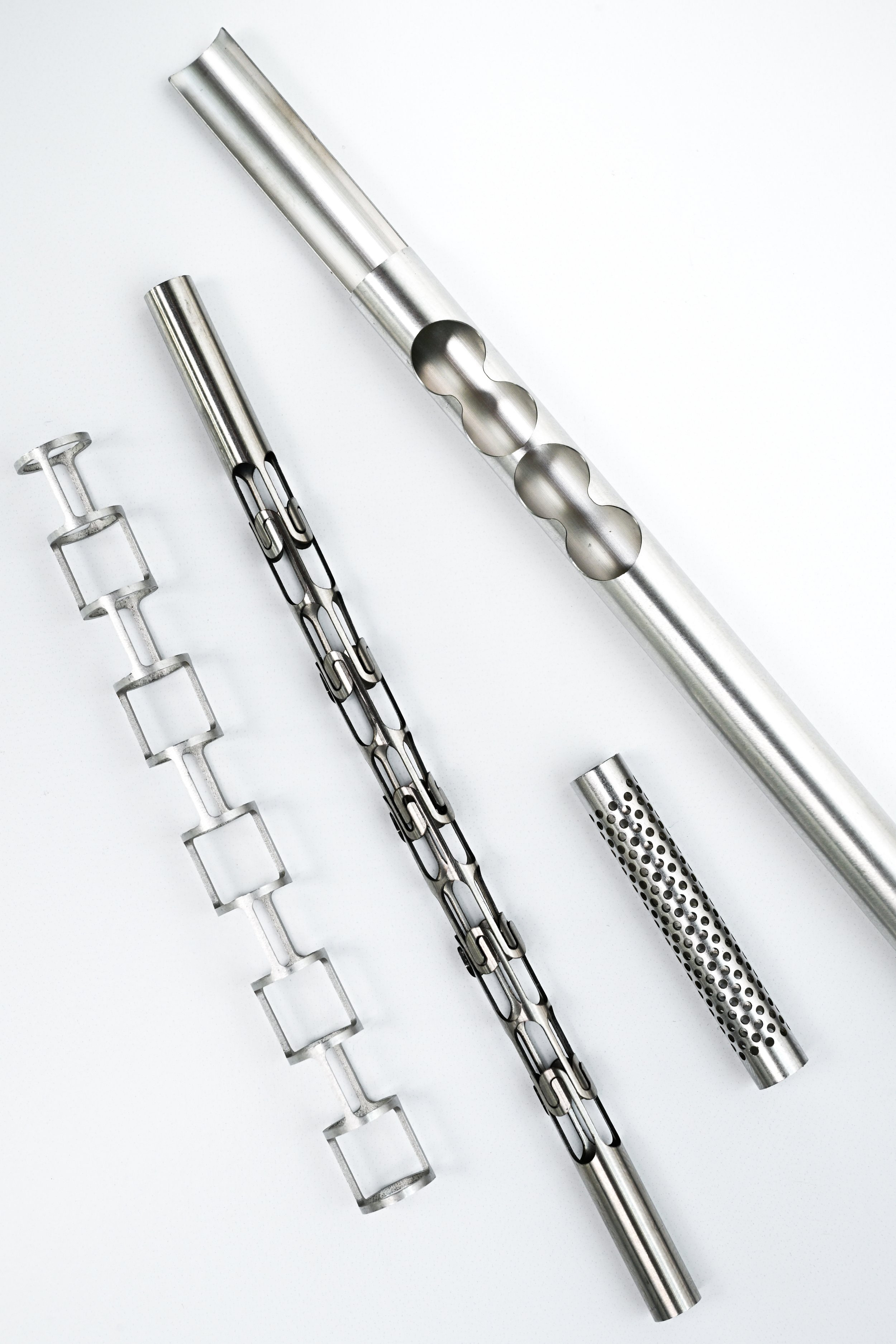
For tubular medical components, the process can create slots, notches, openings, connection features, and complex profiles while maintaining control over feature placement and geometry.
Elevaris laser cutting capabilities include:
● 4 axis tube laser cutting
● Off-axis profiles
● High precision flat bed micro laser cutting
● Laser cutting on stainless steel
● Laser cutting on Nitinol
● Tube processing from 0.2 mm to 20 mm
● Minimum kerf width of 0.012 mm
Four dedicated tube laser cutting systems support off-axis profiles and complex tubular component requirements.
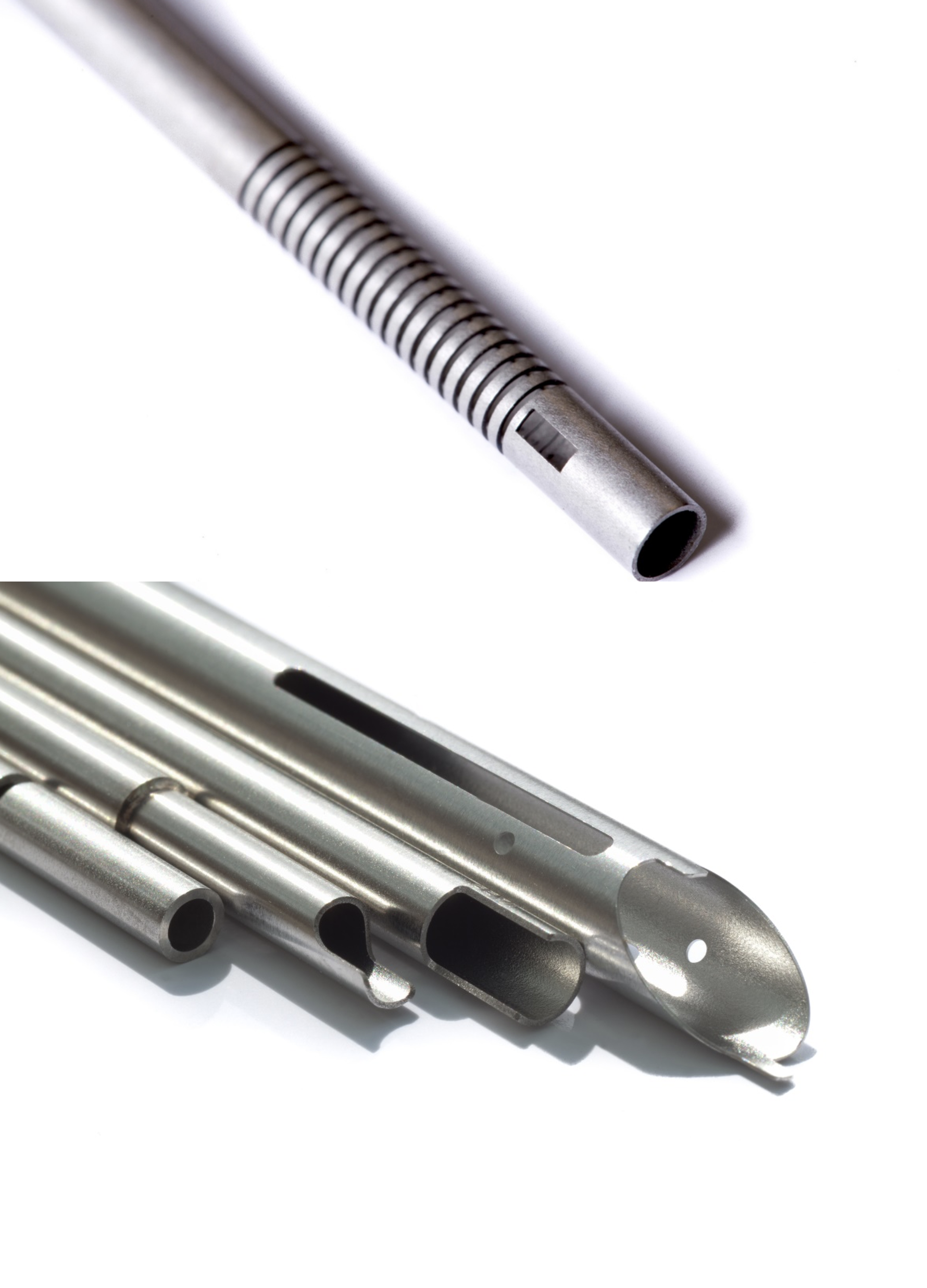
Laser Tube Cutting for Medical Components
Medical devices often depend on tubular components that must provide flexibility, connection, delivery, articulation, or structural support.
Laser tube cutting makes it possible to place detailed features around a tube while controlling their relationship to one another. Programmed patterns can change how the component bends, connects, moves, or integrates into a larger device.
Potential features include:
Slotted openings
Notches
Windows
Connection features
Puzzle cut profiles
Flexible tube patterns
Off-axis geometries
During development, these patterns can be adjusted and produced in several iterations to help customer teams evaluate performance and manufacturability.
Micro Laser Cutting
Micro laser cutting supports small features, detailed profiles, and thin medical components.
Elevaris uses high precision, flat bed micro laser cutting systems to process designs that require controlled feature geometry at a small scale. Because the process is digitally programmed, design adjustments can be implemented without creating a conventional cutting tool for every iteration.
Micro laser cutting can also be integrated with machining, welding, forming, and assembly processes when the component requires several manufacturing technologies.
Medical Device Laser Welding
Laser welding uses concentrated energy to create a localized connection between compatible components.
The process is well-suited to small parts and assemblies where the location and size of the weld must be carefully controlled. Concentrated energy allows the weld to be placed within a defined area while limiting exposure across the surrounding component.
Elevaris offers micro laser welding with a 0.1 mm spot size. Capabilities include automated welding systems, multi-axis fully automated systems, and semi-automatic laser cutting and welding systems.
Purpose Built Laser Welding Systems
Elevaris laser cutting and welding systems were designed and built to meet the company’s specific process and control requirements.
The systems use current motion controls, human-machine interface technology, and fiber optic laser power supplies. Depending on the system and process, integrated capabilities may include:
Automatic product inspection
Accept and reject functions
Concentricity verification
Automated component processing
Controlled motion across multiple axes
Ownership of this technology allows Elevaris to apply the equipment within its broader development and manufacturing approach.
Laser Marking and Laser Etching
Laser marking creates permanent identification or surface information without direct contact between a cutting tool and the component.
The process can produce accurate and legible markings on metal or plastic while limiting the mechanical stress applied during processing. Elevaris also offers a distinct matte black marking finish.
Laser marking may be used for:
Product identification
Reference markings
Component information
Surface text
Traceability information
Defined visual features
The appropriate marking process depends on the component material, surface, design, and program requirements.
Laser Ablation
Laser ablation removes a controlled amount of material from a defined area.
Elevaris uses laser ablation to produce engraved surface text, component features, and mold keys. The process can address localized surface requirements without using a conventional cutting tool.
Laser ablation may be incorporated into a larger sequence that also includes cutting, machining, forming, welding, or finishing.
Materials Supported by Laser Processing
Elevaris performs laser cutting on stainless steel and Nitinol.
Material selection influences energy response, feature quality, heat behavior, and process requirements. Component thickness, geometry, surface condition, and the intended feature must also be considered when the laser process is developed.
Our engineers review the customer’s design and material requirements to determine feasibility and establish a manufacturing plan suited to the component.
Precision, Repeatability, and Controlled Processing
Medical components often require consistent relationships among small features, critical dimensions, and later assembly steps.
Laser technology provides several advantages for these requirements:
Programmed feature placement
Controlled kerf width
Processing of small and detailed geometries
Reduced physical cutting force
Repeatable digital tool paths
Localized cutting or welding
Efficient design changes during development
Integration with automated production equipment
The final process is developed according to the component design, material, production needs, and critical quality requirements.
Medical Components Supported by Laser Technology
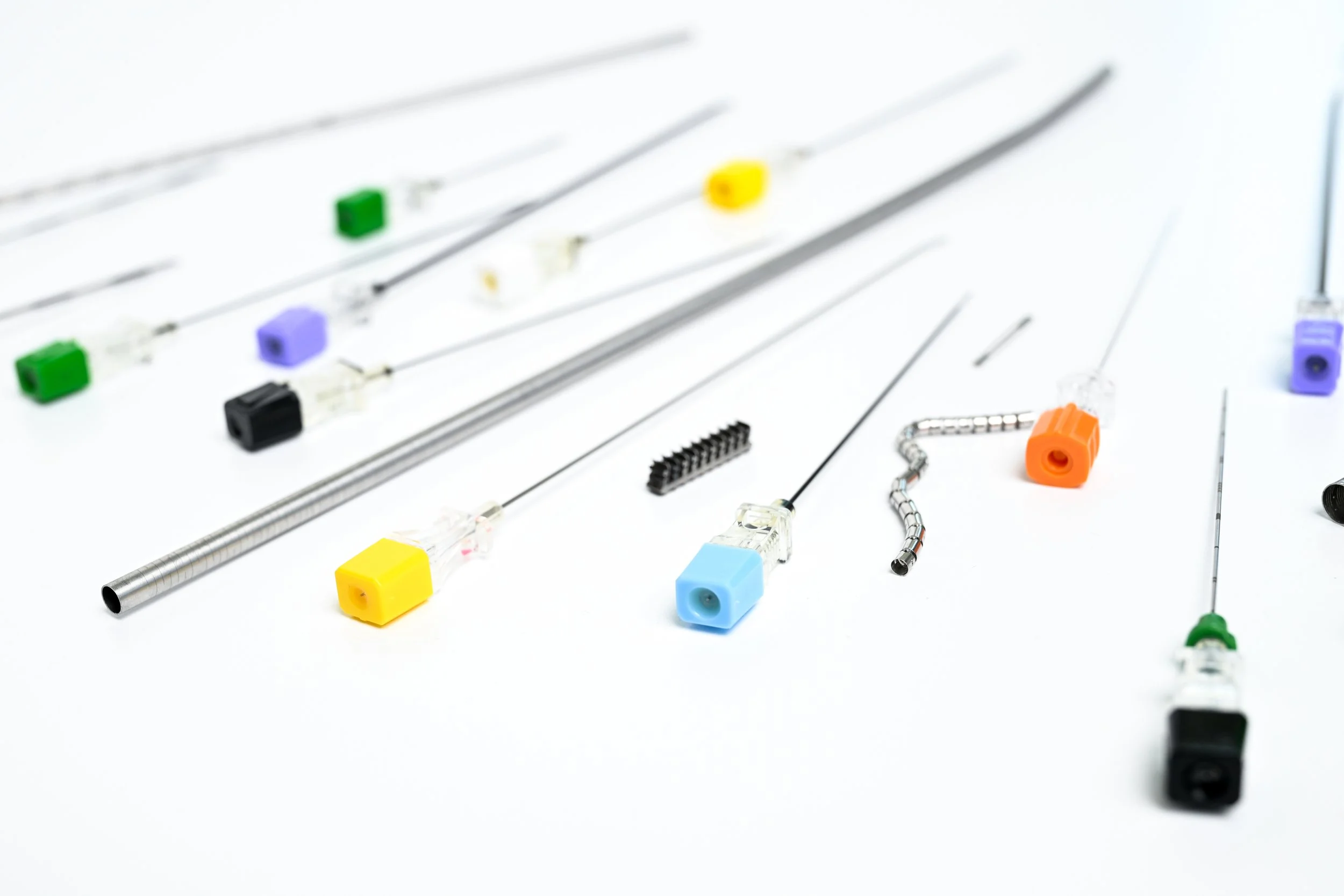
Elevaris uses laser technology to support precision micro components, complex tubular components, procedural needles, instrument components, and sub assemblies.
Relevant component types may include:
Flexible hypotubes and assemblies
Catheter components and sub assemblies
Laser cut tubular components
Procedural needle components
Instrument shafts
Internal endoscopy components
Delivery system components
Custom cut tube designs
Each component is evaluated according to its intended function, design requirements, material, and relationship to other manufacturing processes.
Applications Across Medical Device Markets
Elevaris laser technology supports products and components used across:
Pain management
Interventional radiology
Drug delivery
Orthopedics
Ophthalmology
Interventional spine
Endoscopy
Urology
Surgical applications
Laser processing is selected based on the requirements of the specific component rather than the application alone.
Grinding Technology for Procedural Needle Manufacturing
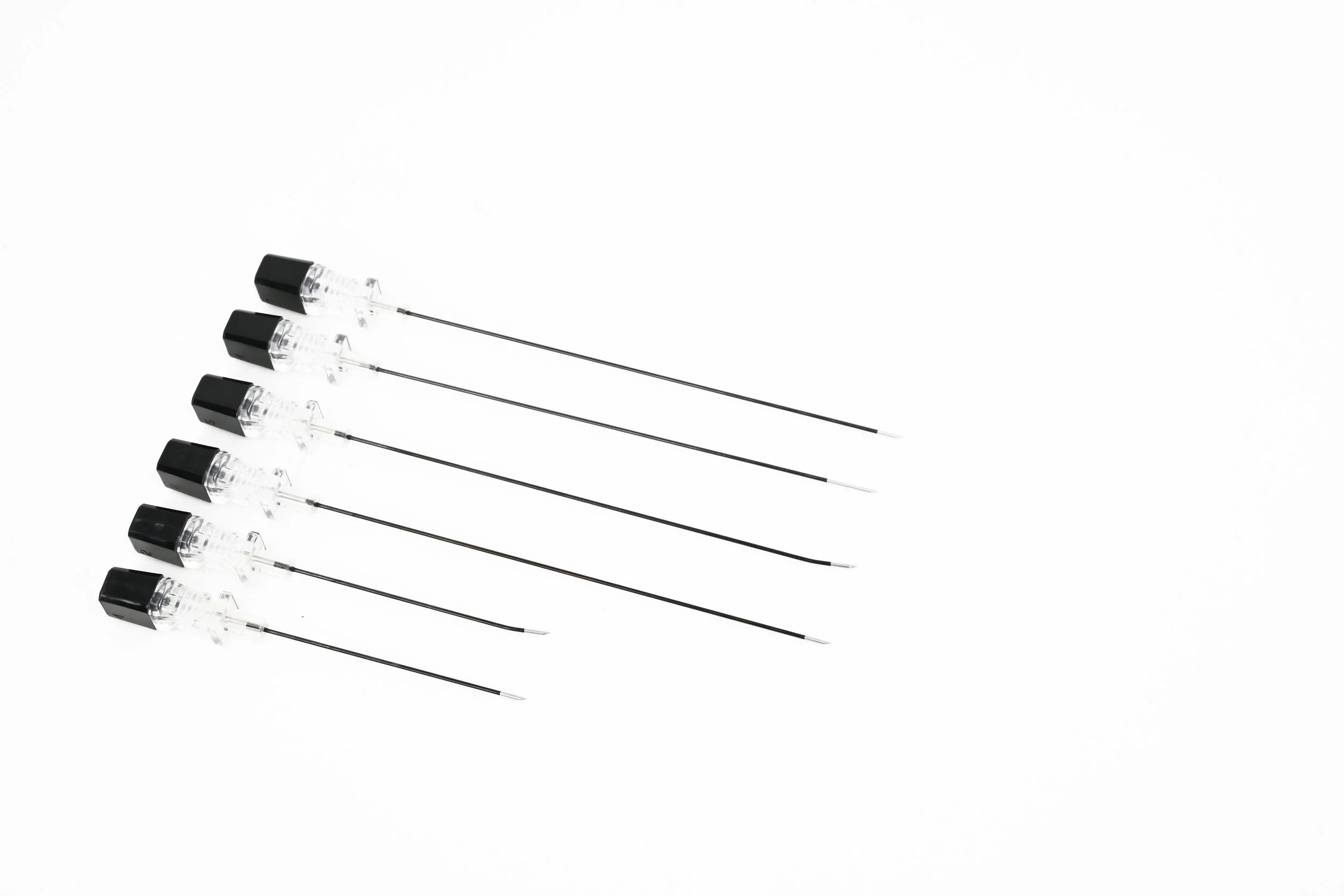
Grinding processes support the production of components used across the Elevaris procedural needle portfolio.
Elevaris manufactures made-to-specification procedural needles for pain management, oncology, anesthesia, and other medical applications. Products include radiofrequency needles, epidural and spinal needles, biopsy needles, peripheral nerve block needles, introducer needles, and custom needle solutions.
Laser cutting, welding, marking, and ablation can be integrated with grinding, machining, forming, finishing, and assembly according to the requirements of the product
Integration with Micro Machining
Complex medical components may require both laser processing and precision machining.
Elevaris combines laser technology with EDM wire erosion, EDM sink erosion, 5 axis CNC machining, and 3D metal printing technology. This allows the manufacturing process to address different component features through the technology best-suited to each requirement.
A tubular component, for example, may require machined features, laser cut patterns, laser welded connections, surface marking, and later assembly. Coordinating these processes through one manufacturing partner can support continuity throughout development and production.
Supporting Development and Live Prototyping
Laser technology can play an important role during early product development because programmed features can be adjusted between design iterations.
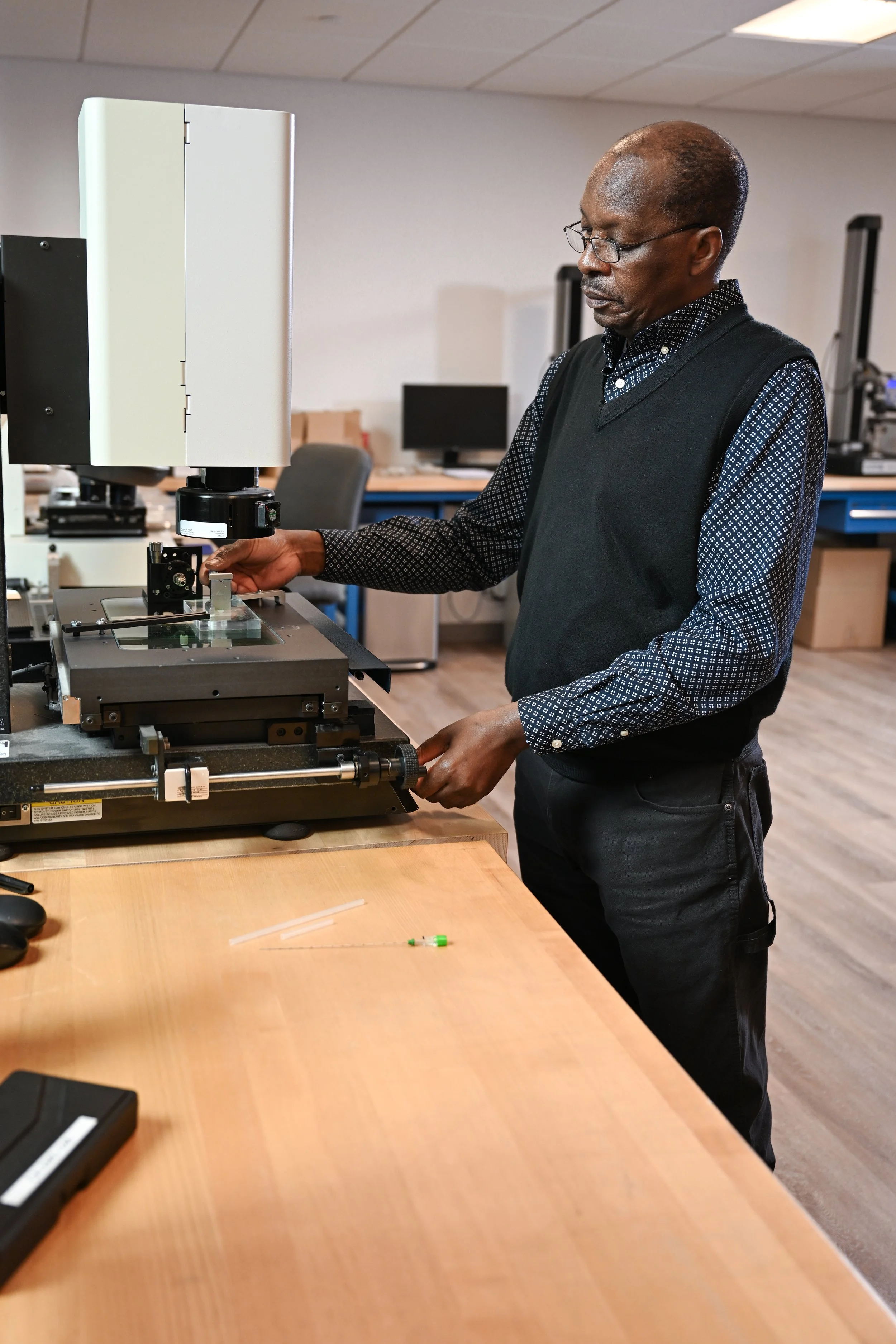
Through the Elevaris XLerator program, customers receive direct access to engineers, manufacturing technicians, machine operators, process technology, and inspection capabilities. Teams can evaluate physical parts, request changes, and review revised components within a condensed development session.
For laser cut tubing, this may include testing different custom shapes, tube connections, feature patterns, or intricate geometries during the same session.
Integrated into End-to-End Manufacturing
Elevaris provides laser technology as part of a broader medical device manufacturing and contract manufacturing offering.
Our integrated capabilities include:
Precision micro machining
Precision grinding
Injection molding
Insert molding
Precision forming
Metal finishing
Cleanroom assembly
This structure supports customers moving from an early component design into repeatable production.
Why Choose Elevaris for Medical Device Laser Processing?
Elevaris combines advanced laser equipment with engineering, process development, manufacturing, and production support.
Customers gain access to:
A temperature-controlled Laser Technology Center
High-volume production equipment
Purpose-built laser systems
Tube and flat bed laser cutting
Micro laser welding
Laser marking and ablation
Processing for stainless steel and Nitinol
Integration with other manufacturing capabilities
Development and rapid prototyping support
Experience with complex medical device components
Discuss Your Laser Process Requirements
Share your component drawing, computer model, material requirements, or early design with Elevaris. Our team will review the program and help determine the laser process and supporting capabilities needed to move it forward.