
Micro Machining Medical Device Components
Precision Micro Machining for Complex Medical Device Components
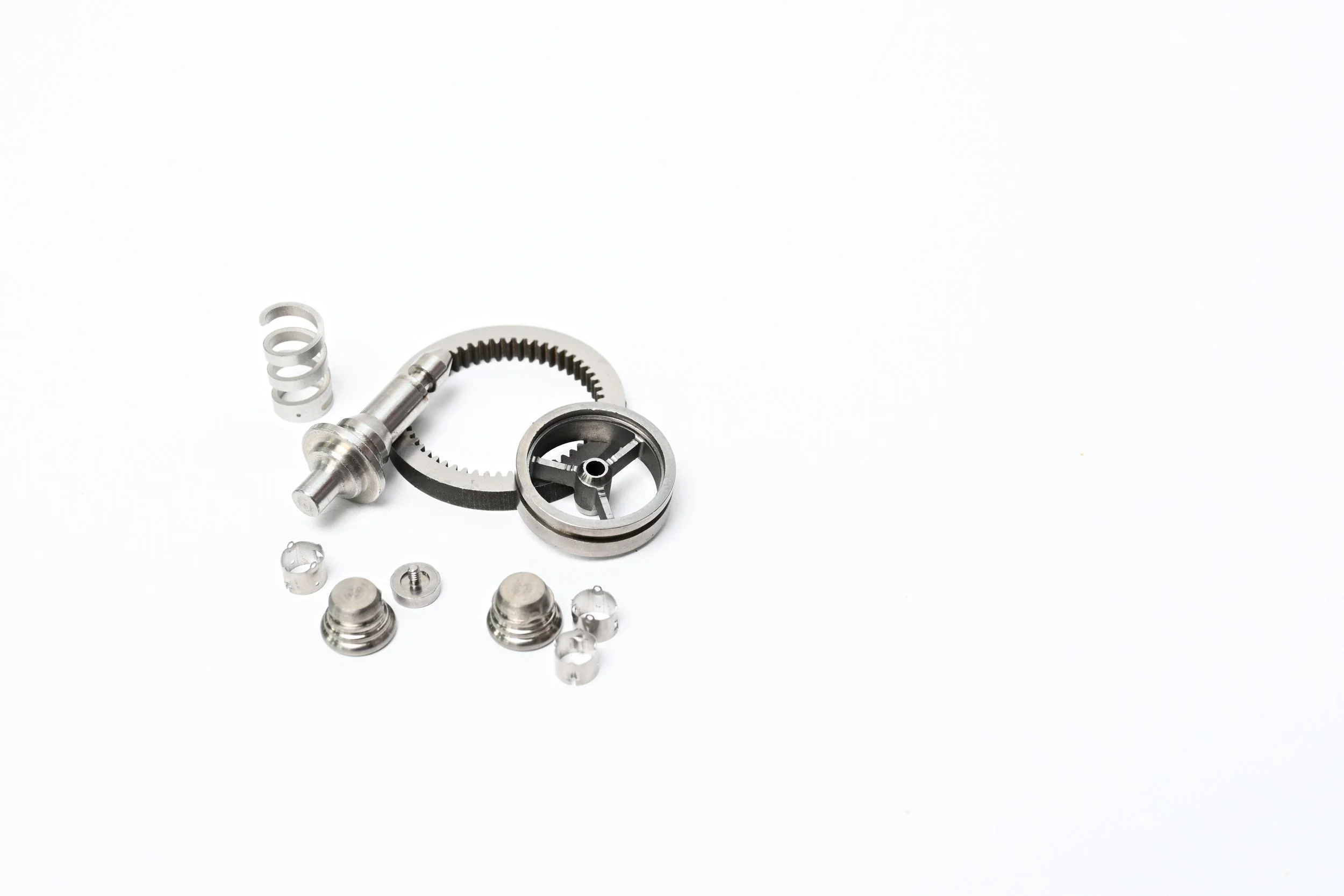
Elevaris Medical Devices produces precision micro components using advanced design, programming, machining, and process technologies.
Our full 4D design and machine programming systems allow us to interpret customer drawings and computer models, evaluate feasibility, and establish practical development and production plans.
A proprietary combination of laser technology, EDM wire erosion, sink erosion, 5 axis CNC machining, and 3D metal printing technology allows our team to address complex component requirements through the process or combination of processes best-suited to the design.
Why Micro Machining Matters in Medical Device Manufacturing
Medical devices continue to become smaller, more complex, and are increasingly incorporating micro-scale features. Components that once served a limited mechanical purpose may now influence device movement, delivery, alignment, flexibility, energy transfer, or overall performance.
These demands make precision micro machining an important part of modern medical device manufacturing.
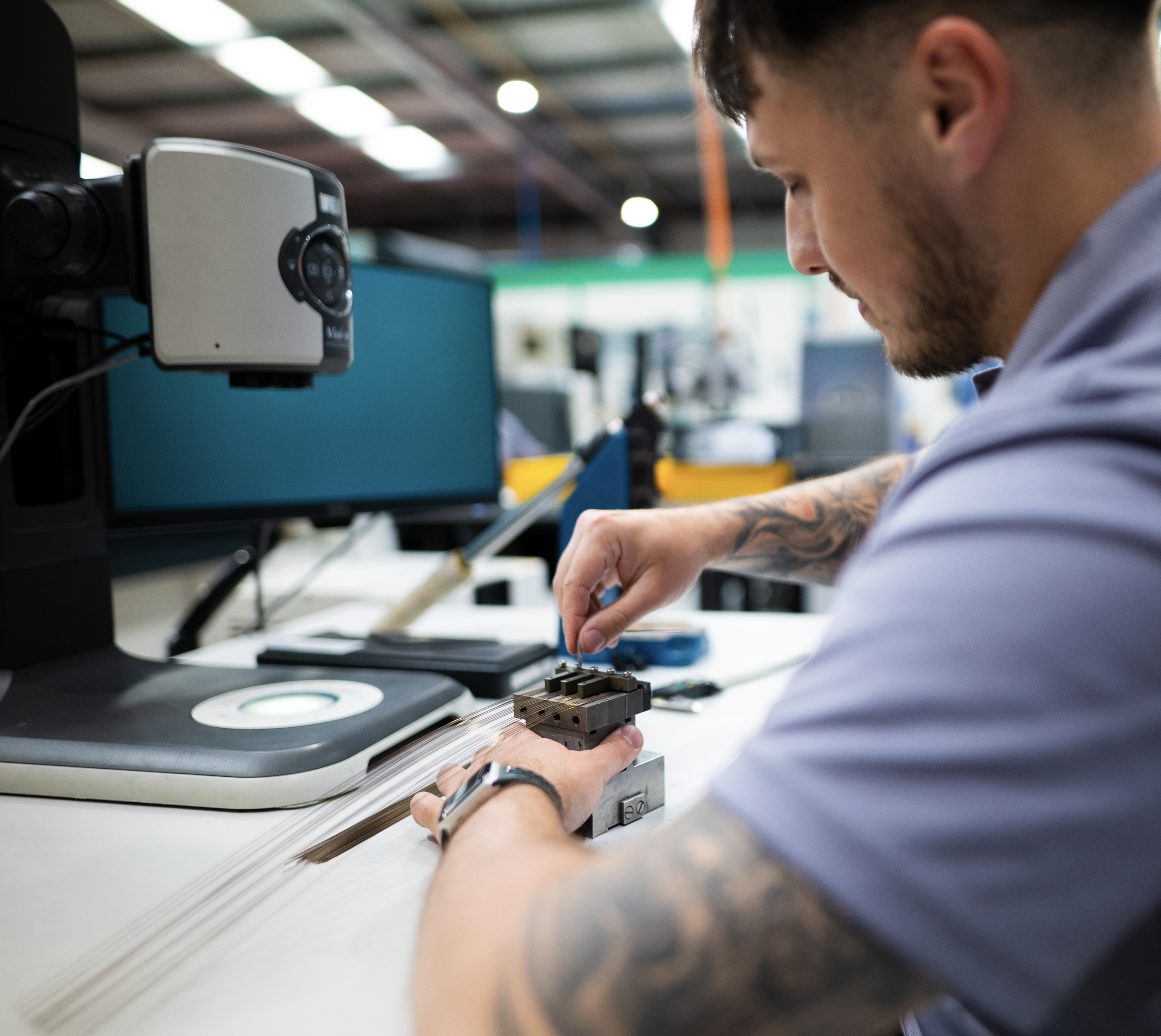
At a small scale, minor variations can have a meaningful effect on assembly fit and product function. Feature geometry, material behavior, tolerance relationships, fixturing, handling, and inspection must be considered together.
Medical device micro machining provides a way to create detailed components and features that may not be practical through conventional machining processes alone.

Micro Machining Capabilities at Elevaris
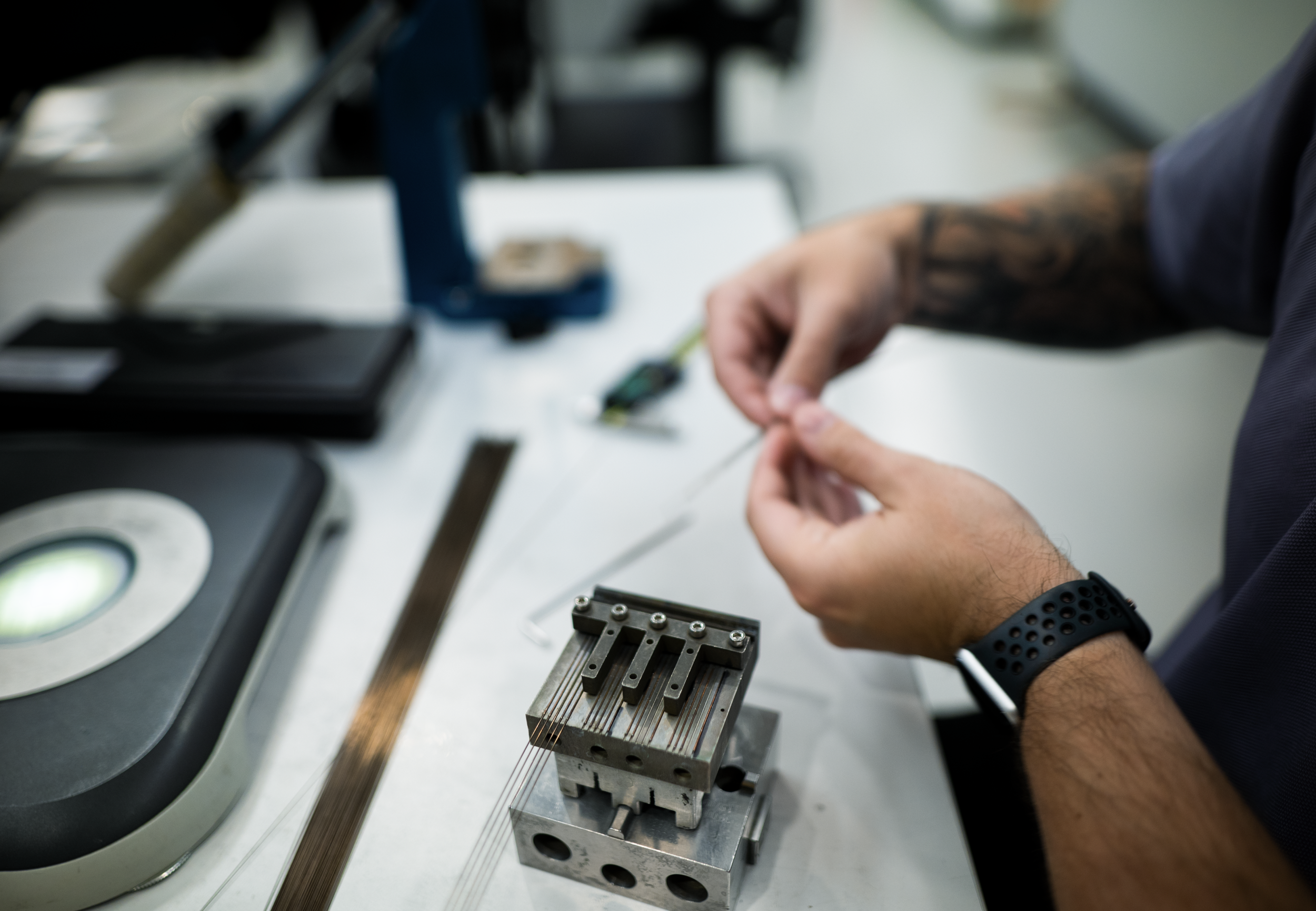
Elevaris applies multiple technologies to support the production of precision medical components.
Our micro machining capabilities include:
5 axis CNC machining
EDM wire erosion
EDM sink erosion
3D metal printing technology
Full 4D design and machine programming
These processes can be used individually or combined within a broader manufacturing plan. The selected approach depends on the component geometry, material, required features, production needs, and relationship to later manufacturing and assembly steps.
5 Axis CNC Machining
5 axis CNC machining allows cutting tools or components to move across multiple axes during the machining process.
This movement provides greater access to complex surfaces and features while reducing the need to reposition a component repeatedly. It can support intricate geometries, compound angles, detailed profiles, and medical components that require accurate relationships between multiple features.
For complex medical device components, fewer set-ups may also help maintain alignment between critical dimensions and reduce variation introduced through repeated handling.
Wire EDM
Wire electrical discharge machining uses a controlled electrical discharge to remove material along a programmed path.
Because the process does not depend on direct cutting force in the same way as conventional machining, wire EDM can support detailed profiles and complex geometries in electrically conductive materials.
It can be particularly useful when a component requires:
Narrow features
Detailed external profiles
Accurate cuts in conductive materials
Geometries that may be difficult to produce with conventional tooling
Controlled material removal without traditional cutting pressure
Sink EDM
Sink electrical discharge machining uses a shaped electrode to form a corresponding feature within an electrically conductive component.
This process can support recessed forms, cavities, internal details, and geometries that may be difficult to reach with a conventional cutting tool.
Within a broader micro machining process, sink EDM provides another option for addressing complex feature requirements while maintaining close control over the intended geometry.
Laser Machining for Medical Device Components
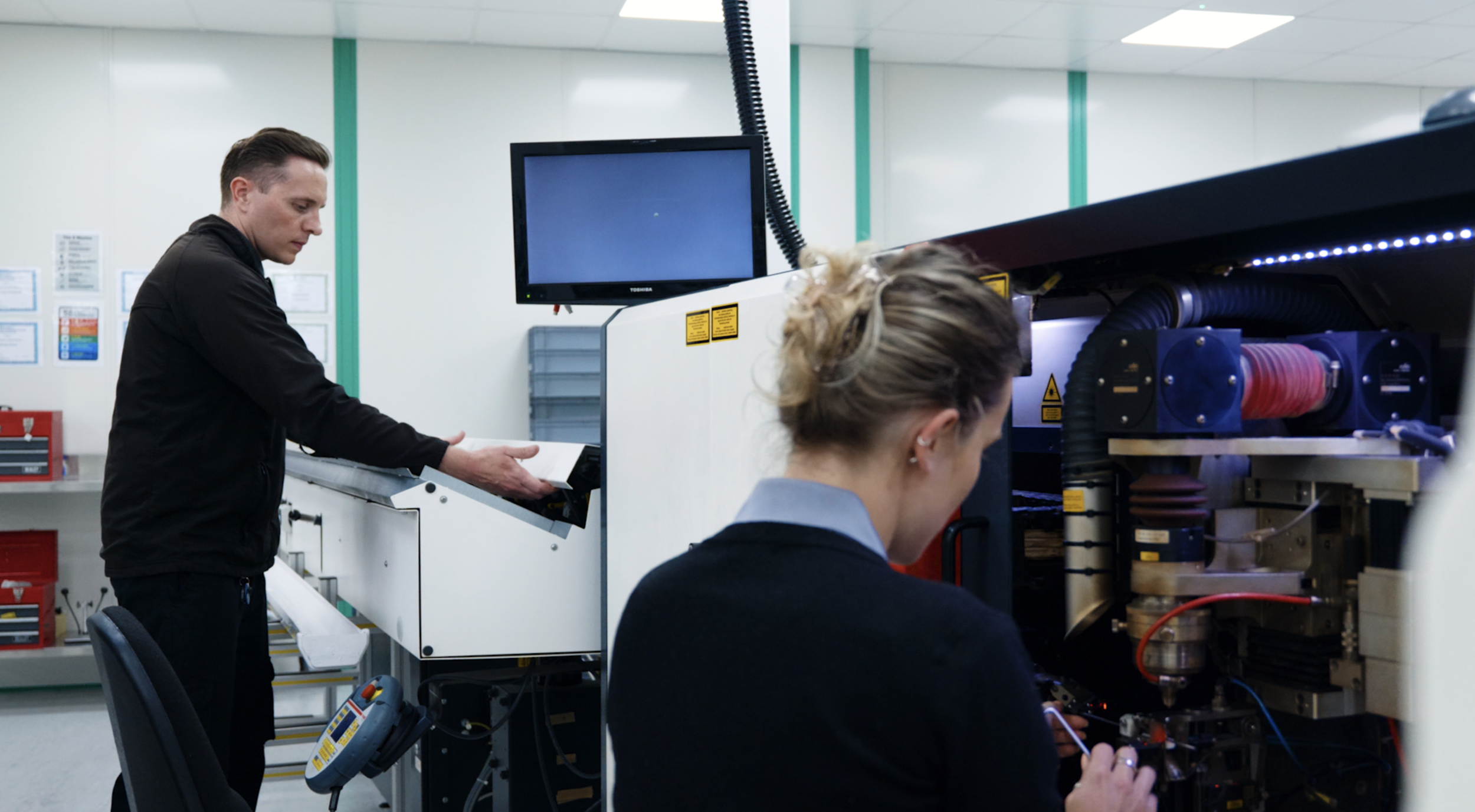
Laser technology supports precise, noncontact material processing across small and complex medical components.
Elevaris uses laser technology for cutting, micro cutting, welding, marking, and ablation. It can also be combined with CNC machining and EDM processes when a component requires several types of features or manufacturing steps.
This integrated approach allows the manufacturing plan to be based on the full-component design rather than the limitations of a single process or component.
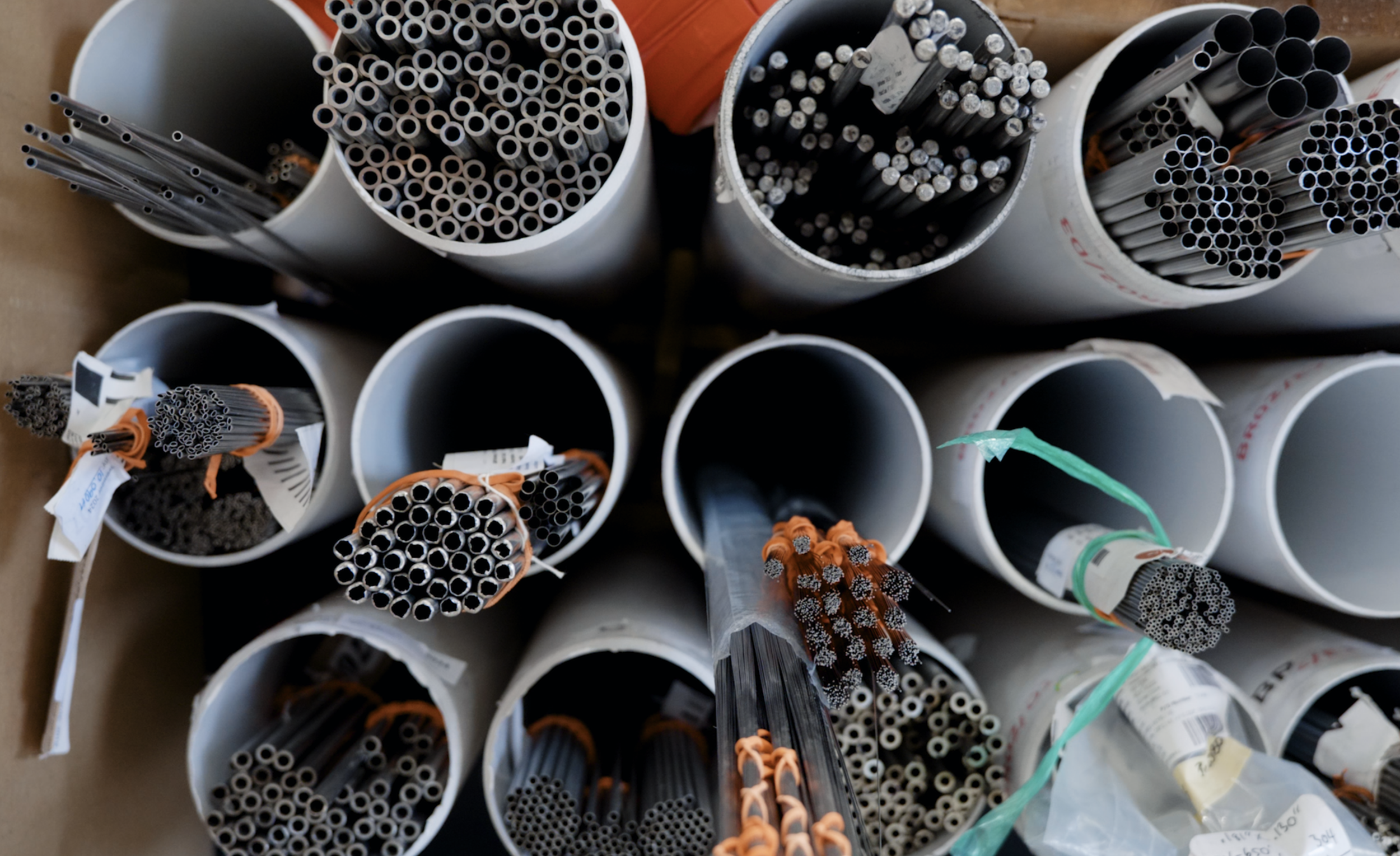
Precision Begins with Component Design
Successful micro-component manufacturing starts before machining begins.
The design must reflect the realities of material behavior, process capability, fixturing, handling, inspection, and eventual production. When these factors are addressed early, teams can reduce unnecessary iteration and prepare the component for success during manufacturing.
Important design considerations include:
Functional tolerance requirements
Feature size and geometry
Material properties
Relationships between critical dimensions
Component orientation during processing
Fixturing and handling requirements
Inspection access
Production volume and scalability
Managing Tight Tolerances and Component Complexity
Tolerances should reflect the requirements of the product and the capabilities of the selected manufacturing process.
Requirements that are tighter than the function demands may increase process complexity, inspection needs, development time, and production cost without creating additional product value.
Elevaris works with customers to understand which dimensions and features are critical to performance. This allows engineering and manufacturing teams to focus process control where it matters most.
For components that move through several manufacturing steps, tolerance stack up must also be considered. Variation introduced during one process may affect alignment, concentricity, fit, or function later in the assembly.
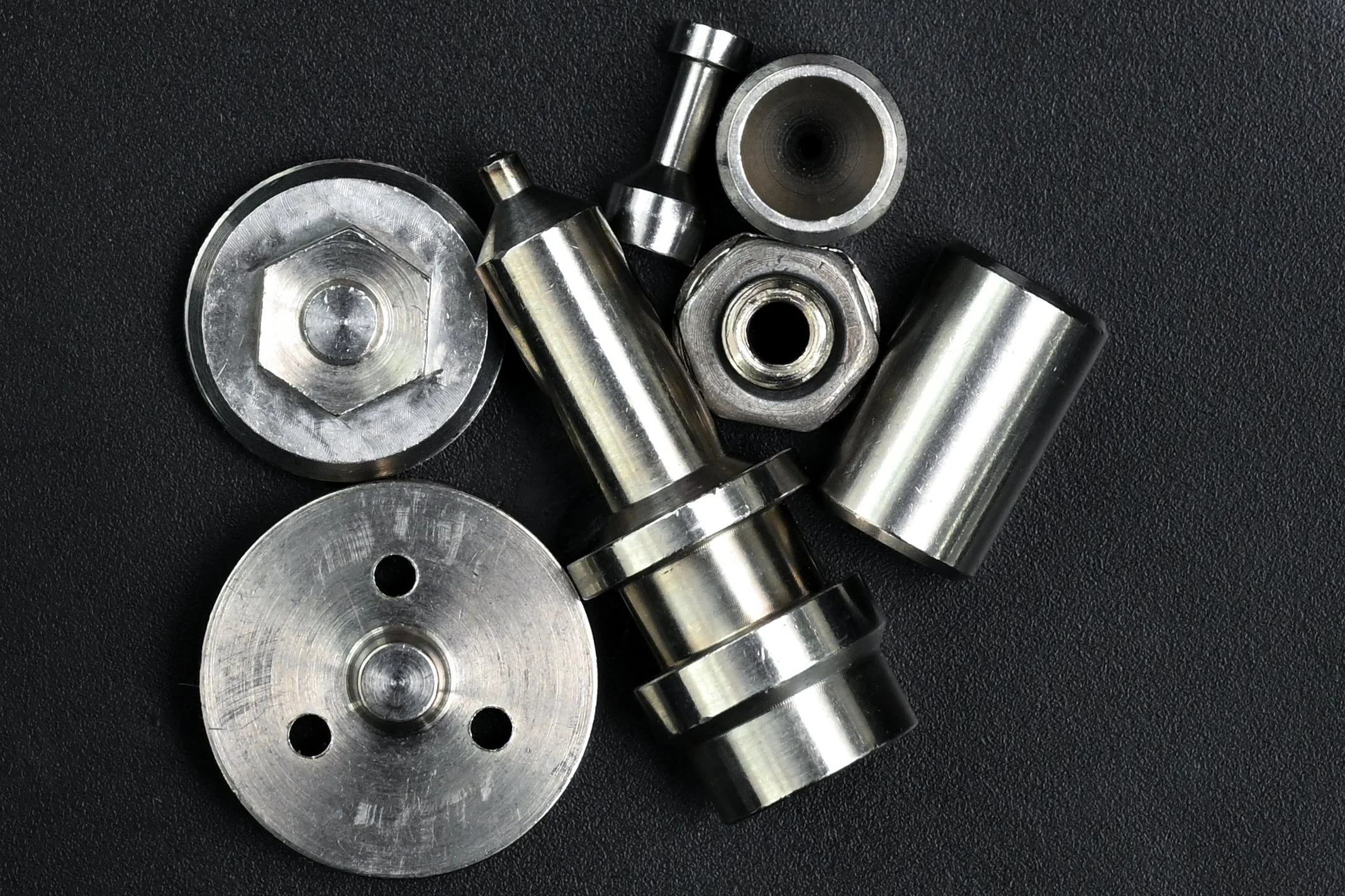
Material Behavior at the Micro Scale
Materials respond differently to machining, cutting, forming, welding, and handling. Those differences become increasingly important as component dimensions and features become smaller.
Electrical, thermal, and mechanical properties may influence process selection and manufacturing performance. The design must also account for how the material will respond across every required production step.
Elevaris evaluates customer requirements against available processes to establish feasibility and determine an appropriate manufacturing path.
Fixturing, Handling, and Inspection
A component must be held securely and consistently throughout the manufacturing process to prevent any interference with its critical features.
For small medical components, limited surface area and complex geometry can make fixturing and handling a central part of the manufacturing strategy. The component must also provide access to the dimensions and features that need to be inspected.
Early planning helps address:
Component orientation
Secure workholding
Transfer between processes
Protection of critical features
Datum selection
Inspection access
Repeatable placement
These considerations help support dimensional control, efficient production, and reliable verification.
Medical Components Supported by Micro Machining
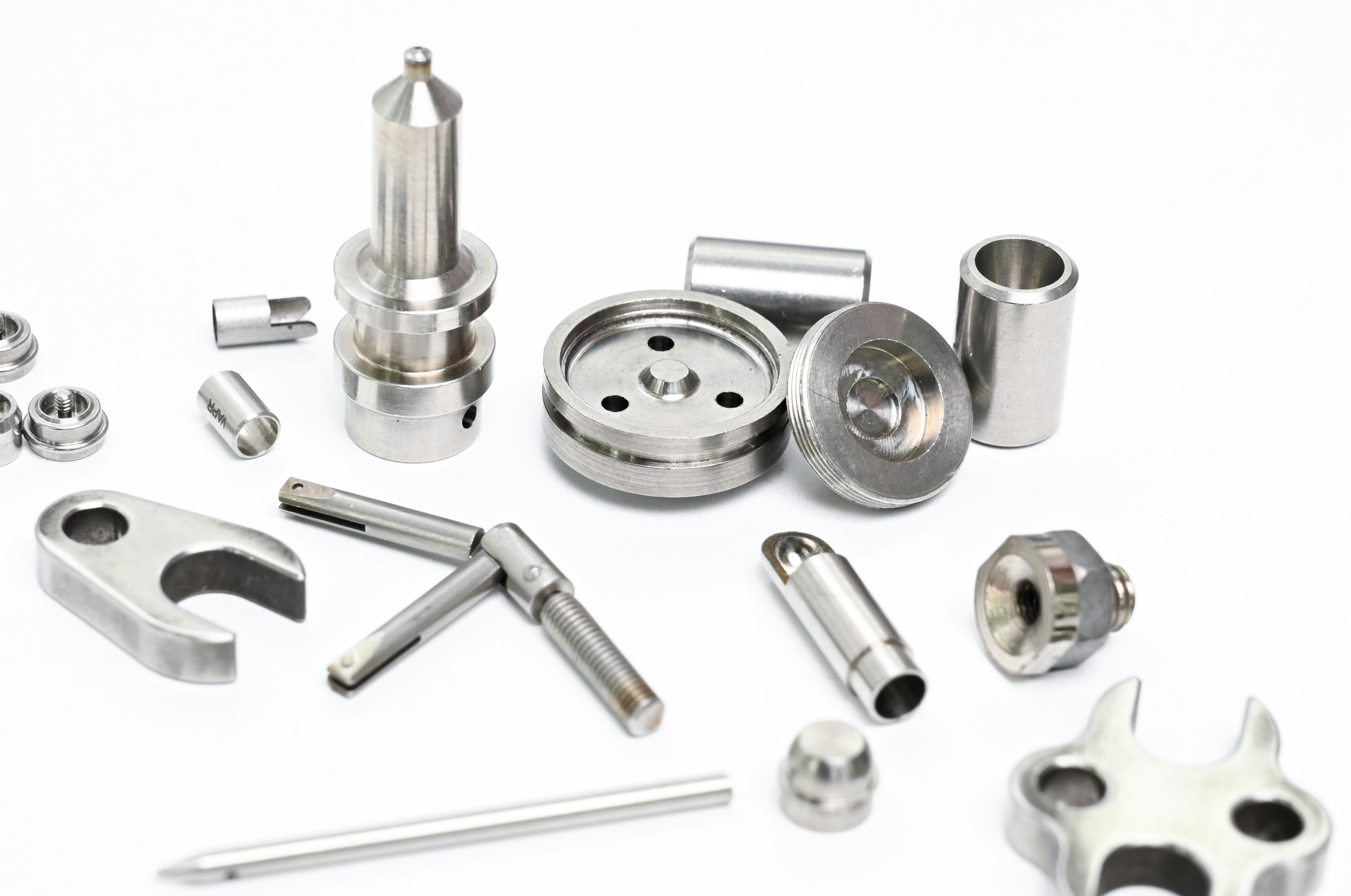
Elevaris specializes in precision micro components, complex tubular components, procedural needle components, and sub assemblies for medical device applications.
Micro machining may support components that require:
Small or intricate features
Complex profiles
Multiple manufacturing processes
Controlled relationships between critical dimensions
Detailed tubular or metallic geometries
Integration into a larger device or assembly
Each program is evaluated according to its specific design and production requirements.
Applications Across Medical Device Markets
Elevaris supports component manufacturing for medical device applications across:
Surgeries
Interventional radiology
Pain management
Drug delivery
Orthopedics
Ophthalmology
Interventional spine
Endoscopy
Urology
The manufacturing process is developed around the requirements of the component and its function within the larger medical device.
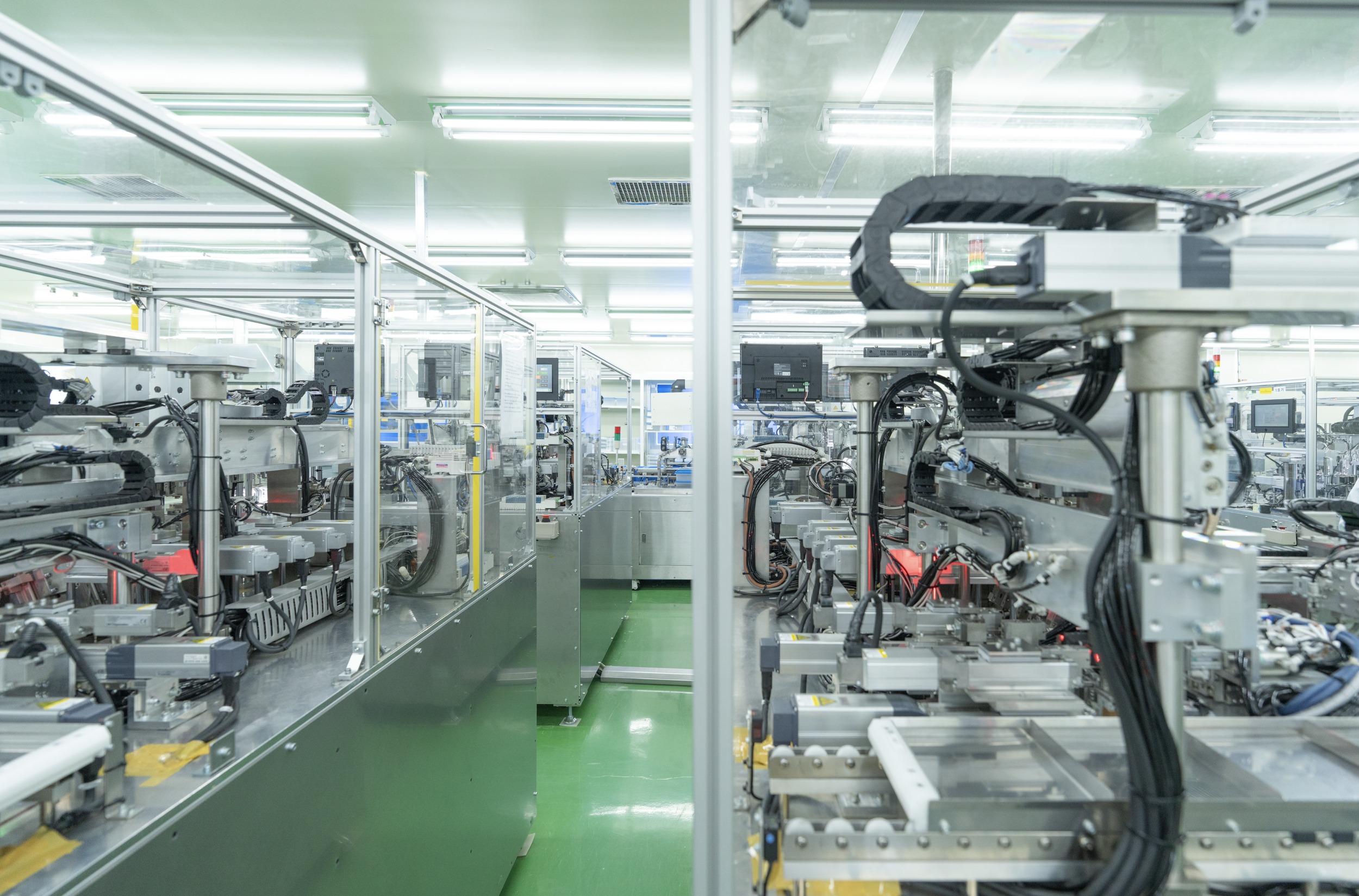
Connected Manufacturing Capabilities
Many precision medical components require more than one manufacturing technology.
Elevaris can connect micro machining with:
Micro laser cutting
Laser welding
Laser marking
Laser ablation
Precision grinding
Precision forming
Metal finishing
Cleanroom assembly
This range of capabilities allows customers to work with one manufacturing partner across multiple stages of component production.
From Development to Scalable Production
Elevaris supports customers during development, prototyping, process planning, and production.
Early collaboration allows our team to review manufacturability, assess process requirements, and evaluate how a component may move from initial development into repeatable manufacturing.
Customers can also use the Elevaris XLerator program for direct access to project engineers, process development engineers, manufacturing technicians, machine operators, process technologies, and inspection capabilities during live prototype development.
Why Choose Elevaris for Medical Micro Machining?
Elevaris brings together advanced manufacturing processes and practical engineering support to build complex medical components.
Our approach includes:
Review of customer drawings and computer models
Early feasibility assessment
Full 4D design and machine programming systems
Multiple precision machining technologies
Integration with laser, grinding, forming, finishing, and assembly capabilities
Development and production support
Experience with complex medical components and sub assemblies
Discuss Your Precision Medical Component
Share your drawing, computer model, component requirements, or early concept with the Elevaris team. We will help establish a practical path for development and manufacturing.