
How DFM Reduces Cost Without Compromising Device Performance
Cost is an important consideration in medical device development. But reducing cost cannot come at the expense of quality, reliability or clinical performance. Design for manufacturability (DFM) helps engineers balance these priorities by considering how a device or component will be manufactured while the design is still being developed.
By evaluating materials, tolerances, geometries, manufacturing processes and assembly requirements early, engineers can eliminate unnecessary complexity while preserving the features essential to device performance. The result can be a product that is more economical, consistent and efficient to manufacture.
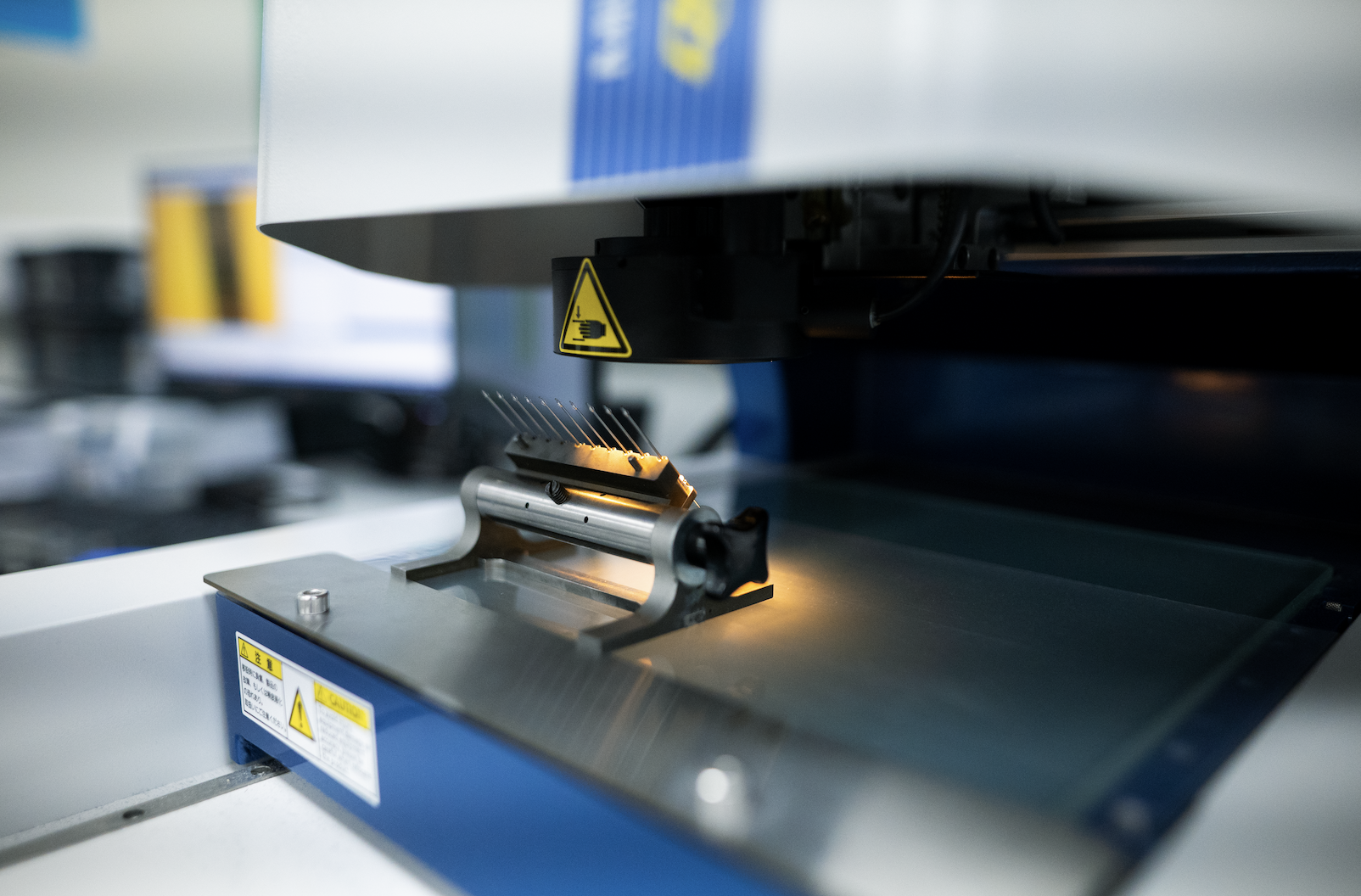
Avoid Designing Cost into a Device
Manufacturing costs are influenced by more than raw materials and labor. Unnecessarily tight tolerances may require additional machining or inspection; complex geometries may demand multiple operations; and, certain materials may introduce avoidable processing challenges.
Because changes become more difficult and expensive as a product approaches commercialization, identifying these issues early is critical. DFM brings manufacturing expertise into the design process before potential problems become costly revisions.
Design for Function and Manufacturing Efficiency
The goal of DFM isn't simply to make a component less expensive. It's to determine how it can be manufactured efficiently while meeting the specifications and performance requirements that matter.
Effective DFM evaluates opportunities to:
Reduce manufacturing operations.
Minimize material usage and waste.
Simplify inspection, assembly or automation.
Optimize tolerances without compromising functional requirements.
For example, engineers can identify where tight tolerances are essential and where more practical tolerances will suffice. Similarly, simplifying a geometry or reducing the number of operations may deliver the same functional result at a lower cost. Even small improvements can add up across thousands or millions of components.
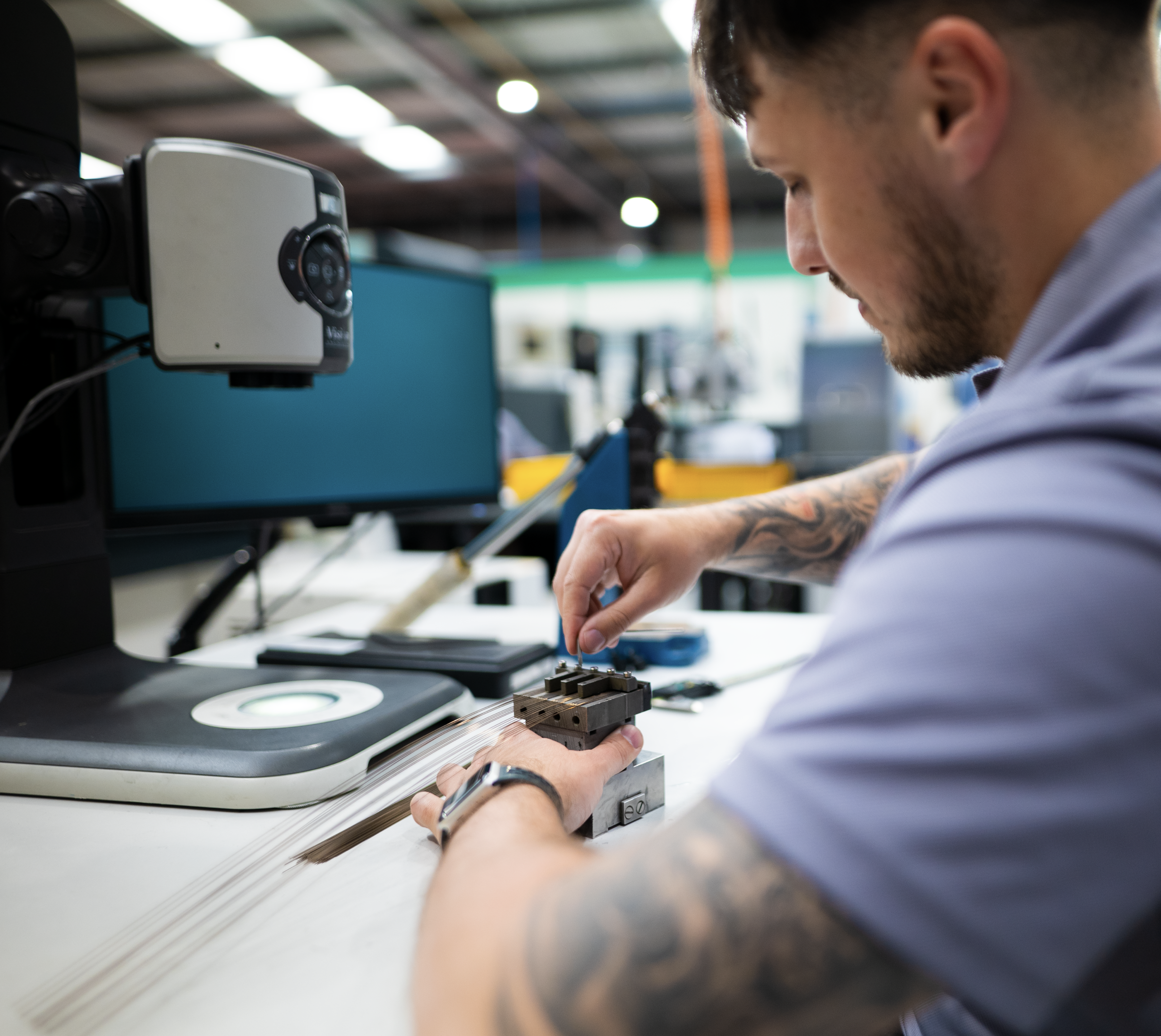
Align Design with the Right Manufacturing Process
Different manufacturing technologies offer different capabilities, costs, and production efficiencies. Depending on the component, options may include precision machining, grinding, laser processing, electrical discharge machining (EDM), forming, injection molding or insert molding.
A design developed without considering its manufacturing process may require specialized tooling or costly secondary operations. A DFM review helps align design features with process capabilities from the beginning, reducing avoidable expense while maintaining required performance.
Reduce the Cost of Change
One of DFM's greatest financial benefits is preventing problems before they occur. Late-stage manufacturability issues can require additional engineering, tooling modifications, prototype iterations and validation activities. They can also put development schedules at risk.
Addressing these issues while the design is still flexible gives engineering teams more options and helps contain costs before they affect the broader development program.
Plan for Commercial Production
A component that works as a prototype isn't necessarily ready for high-volume manufacturing. Commercial production introduces additional considerations, including capacity, cycle times, material utilization, tooling, inspection and process repeatability.
DFM helps bridge the gap between prototype development and commercial production by evaluating these requirements early. This reduces the risk of discovering that a component is technically manufacturable but not economically or efficiently producible at the required volume.
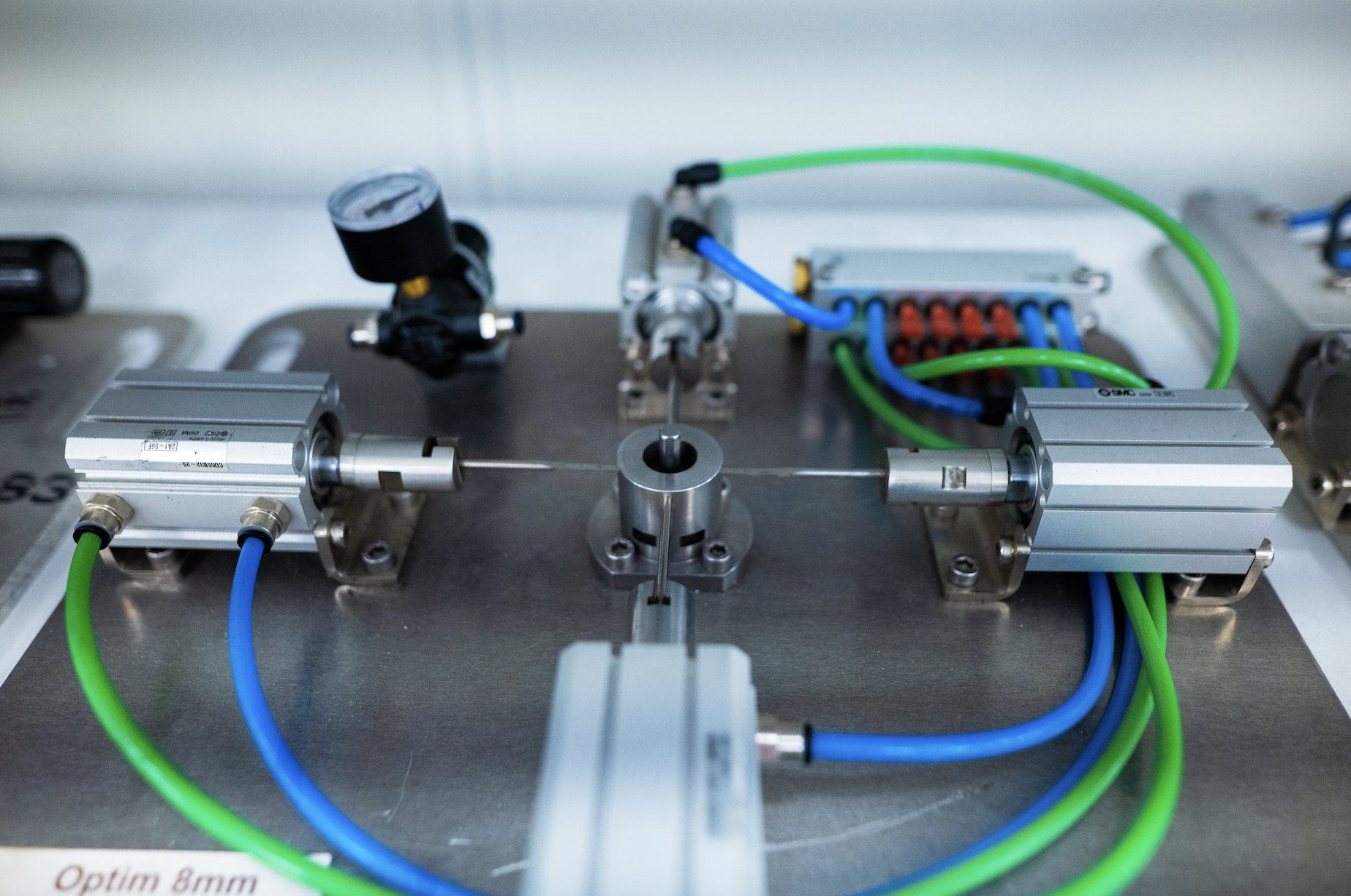
Engineer Cost Reductions into Design
For medical device OEMs, reducing manufacturing costs shouldn't mean compromising the characteristics that make a device effective. The most valuable savings often come from understanding the relationship between design, manufacturing and performance.
By evaluating tolerances, materials, geometries and manufacturing processes early, engineering teams can reduce waste, eliminate unnecessary complexity and improve production efficiency while protecting critical specifications and performance requirements.
In other words, DFM isn't about making a device cheaper. It's about designing a device that can be manufactured smarter.
When manufacturing expertise informs the design process from the beginning, OEMs can establish a more efficient, cost-controlled path from concept to commercialization—without compromising the performance the device was designed to deliver.
Ready to talk? Email us at CONNECT@ELEVARISMEDICAL.COM.