
Sustainable and Predictable Manufacturing Operations through Daily Management Systems
In manufacturing, a plan is only as effective as the execution behind it. Business strategies establish annual goals and monthly targets, but operations teams are responsible for translating those goals into daily actions that consistently deliver on safety, quality, delivery, cost, and people.
That is where a Daily Management System (DMS) can make a difference.
A Daily Management System is a structured approach to managing performance, people, and problems every day. Its purpose is to create consistency, drive accountability, and help teams achieve their goals by connecting strategy to what happens on the shop floor.
The concept is straightforward: daily clarity, daily focus, and daily execution. Small actions repeated every day can lead to sustainable, predictable results.
From strategy to execution
Everything starts with a plan. Business strategy establishes annual goals, which are translated into monthly targets. Operations then delivers against those commitments across five critical areas: Safety, Quality, Delivery, Cost, and People.
The challenge is making sure the strategy does not remain at the planning level. Teams need a clear understanding of what matters, what is expected, and what actions must happen each day.
A Daily Management System creates that connection between strategy and execution. It provides the structure for teams to understand priorities, monitor performance, identify problems, and act on them before they become larger issues.
Why manage daily?
Daily management is built around the idea of making small improvements every day. A consistent daily rhythm creates several benefits:
Daily accountability: People take ownership of their work and commitments.
Early problem detection: Teams identify and address small problems before they grow.
Faster decision-making: Teams can act quickly using the right data.
Consistent execution: Repeated habits create the discipline needed to deliver results.
The principle is simple: discipline today leads to results tomorrow. When teams know what matters and can see performance in real time, they can respond more quickly and consistently. A Daily Management System also helps organizations create sustainable and predictable performance through standardized execution, increased visibility, faster issue resolution, better leadership alignment, and continuous improvement.
Make performance visible with SQDCP boards.
One of the visual tools within a Daily Management System is the SQDCP board, which provides a common view of daily performance across five areas:
Safety: Keep everyone safe, and work toward zero incidents.
Quality: Deliver right-first-time, defect-free products.
Delivery: Meet customer commitments, and deliver on time.
Cost: Use resources wisely, and eliminate waste.
People: Engage, develop, and empower employees.
The goal is not simply to display numbers. A well-used SQDCP board creates one board, one view, and one team, aligning people around what matters most each day. It drives focus, improves visibility, accelerates results, and builds a culture of accountability.
Daily huddles turn information into action.
Daily huddles—or tier meetings—are the heartbeat of a Daily Management System. These short, focused, action-oriented meetings give frontline teams and leaders a regular opportunity to review performance, surface issues and agree on actions. They are intended to occur every day, at the same time and in the same place, typically within five to 15 minutes.
The huddle follows a simple flow with, “The 3 Win Questions”:
Did we win yesterday? Look back. Review results.
Are we ready to win today? Focus on today. Align and commit.
Is there any risk to winning tomorrow? Look ahead. Identify and act.
Resolve problems at the lowest possible level.
A key principle of a Daily Management System is to resolve issues at the lowest level possible and escalate when needed.
The tier structure provides clear ownership and decision rights. Frontline teams address daily issues and standard work problems. Area or team leaders help resolve issues that cannot be handled at the frontline. Department leaders address broader performance, process and capacity issues, while site leadership handles strategic decisions, cross-functional alignment and major resource needs.
This approach helps organizations avoid two common problems: allowing issues to linger because no one knows who owns them, or escalating problems unnecessarily when they could have been resolved locally. The objective is fast resolution, transparent communication and accountability at every level.
Leadership makes the system work.
A Daily Management System is not simply a collection of boards, meetings, and metrics. Leadership behavior is essential.
Leaders are responsible for setting expectations, coaching daily, removing barriers, reinforcing desired behaviors, and developing people. That means leadership is not about doing everything for the team. The progression is:
I do → We do → You do.
Leaders set the example and demonstrate the standard. Leaders and teams then work together to build capability. Ultimately, team members take ownership while leaders coach and support them.
Strong tiers combined with servant leadership create empowered teams, stronger execution and better results.
Change the language, change the culture.
Even the language used in daily operations can reinforce—or undermine—the culture an organization is trying to build.
Phrases such as “I think,” “I guess,” “I hope,” “maybe,” “I was told,” “I heard,” “I will try,” or “I am waiting for” can signal uncertainty or shift ownership away from the person responsible.
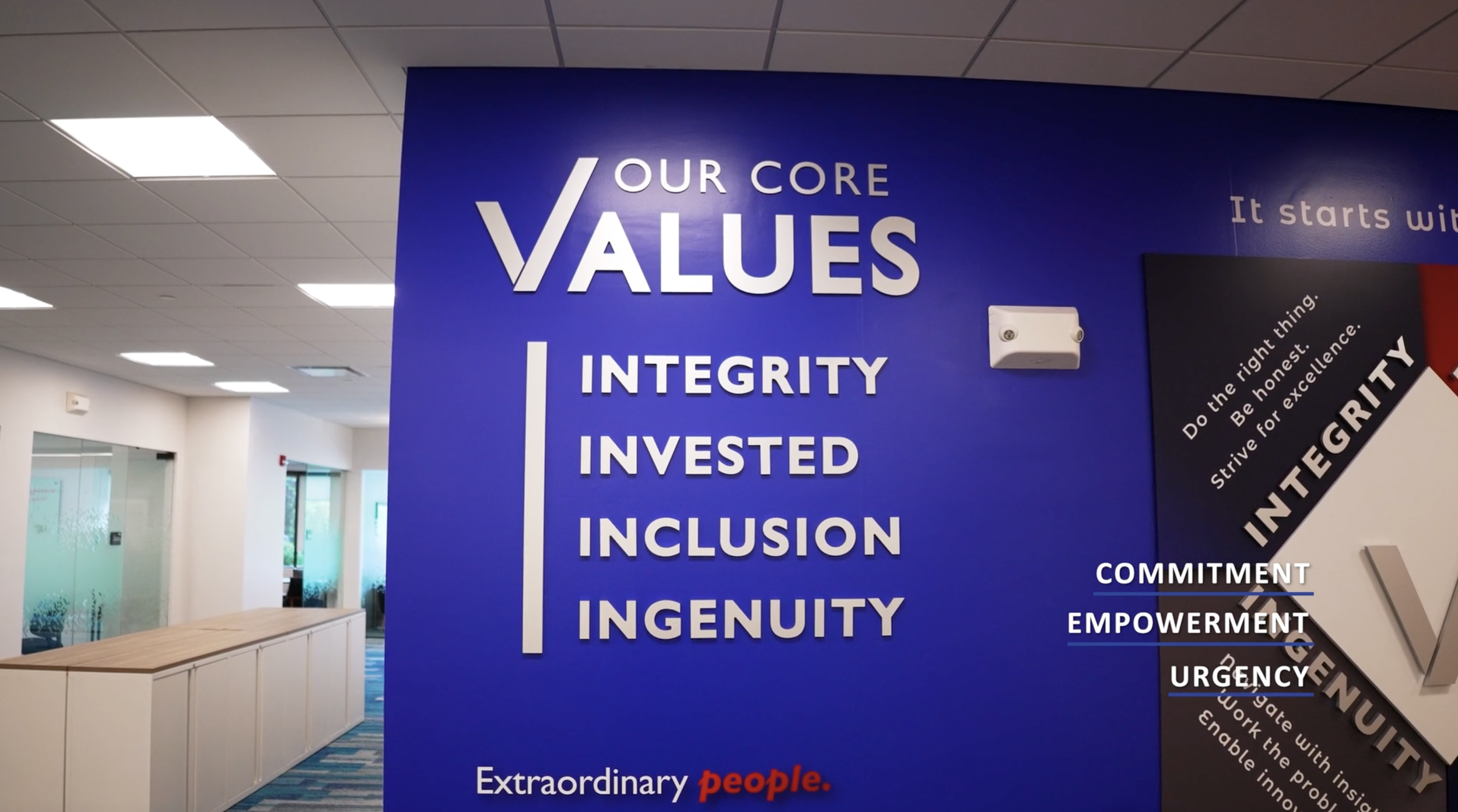
Instead, Daily Management Systems encourage language and behaviors that reinforce commitment, accountability, urgency and action.
The principle is straightforward: better language creates better habits; better habits support better culture; and better culture supports better results.
Making predictable execution the norm
A successful Daily Management System creates consistency. People embrace accountability and take ownership.
The ultimate objective is simple: one purpose, one culture, one system and one result—sustainable success.
And the journey does not end there. Sustainable performance requires organizations to keep improving, keep learning, and keep winning together.
Ready to talk? Email us at CONNECT@ELEVARISMEDICAL.COM.